Easy Ways to Sell Old Money Online and Receive Fast Cash Payments

Old money, collectible coins, and precious metal holdings can have a significant value that might not be evident. Whether you’ve inherited some old coins, antique currency notes, have gold bullion, or rare silver coins that you haven’t gotten a chance to use, many people are looking into how to sell old money to get quick cash from the value of these old finds. 

Collectible currency and precious metals can be sold through online platforms and appraisals, making it more convenient than ever before. But people who want to receive fair evaluations, to secure transactions, and to get quick payments must understand the procedure. 

Why Old Currency and Coins Hold Value

While many people may assume that old currency is only sentimental, collectible money has the potential to carry substantial value depending on factors such as rarity, age, condition, and historical significance. 

These are some of the most valuable articles:

  • Rare paper currency
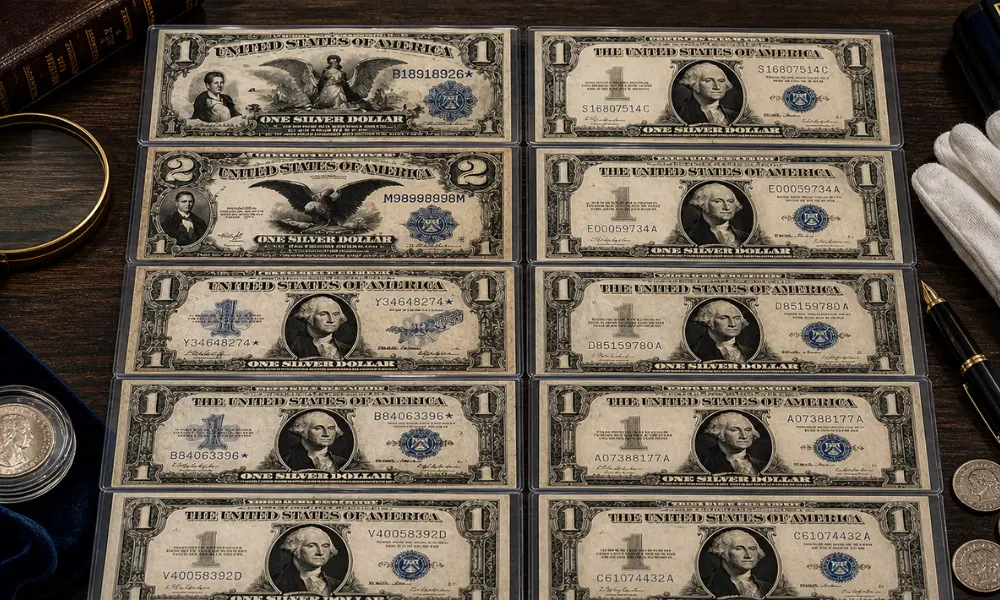
  • Silver certificates
  • Historic coins
  • Foreign currency collections
  • Gold coins
  • Silver bullion
  • Mint error coins
  • Commemorative coins
  • Estate collections

The appeal and long-term value potential of physical assets make them a desirable collectible and investment for collectors and investors.

In particular, gold and silver coins often combine collectible demand with precious metal value, which makes them attractive for both collectors and investors. 

The Growing Popularity of Online Selling

The internet has revolutionized the way people buy and sell collectibles and precious metals. People today have the ability to check the values, request assessments, and make transactions without having to travel long distances. 

Online selling options have become popular due to the following:

  • Faster communication
  • Convenient evaluations
  • Access to broader markets
  • Easier comparison opportunities
  • Secure transaction options

Online services are flexible, and when it comes to selling old money, they can be able to link sellers with knowledgeable buyers of precious metals and also currency.

Steps to Prepare Before Selling

Preparing for the listing or submitting valuable Items for evaluation is extremely important. Knowing what you have will help to make the selling process smoother and to make decisions.

Organize and Identify Items

Divide coins, paper money, bullion, and jewelry into categories. Look for dates, denominations, mint marks, or anything else that can be seen.

Avoid Cleaning Coins or Currency

The value of collectible coins or paper money can be reduced by cleaning them. As long as the items are in original condition, they are popular with buyers and collectors.

Research Market Conditions

Gold and silver prices are constantly changing, which can have a direct impact on offers for bullion and precious metal coins. By keeping an eye on the market, sellers can ensure they are selling at a favorable time.

Request Professional Evaluations

Experienced buyers can help determine whether items hold collectible value, precious metal value, or both.

Businesses like Eagle Coins Gold and Silver Coins provide evaluations for coins, bullion, jewelry, luxury watches, and estate items while helping customers better understand the worth of their valuables.

How Gold Coin Values Are Determined

Those looking to dispose of gold coins for cash should know that multiple factors can affect the price.

Precious Metal Content

The worth of gold coins is heavily dependent on market gold prices and the overall weight of gold.

Rarity and Demand

Certain coins carry additional collector premiums due to limited mintages or historical significance.

Condition and Grading

Collectors will pay more attention to coins that are in better condition.

Market Demand

The demand for bullion and collectible coins may rise and fall according to the state of the economy and investor interest.

A professional evaluation can be helpful for a seller to determine if they have coins that are more collectible, or for the quality of the metal they contain, or both.

Why Fast Cash Payments Appeal to Sellers

A major reason why people choose to sell old money is that they want quick access funds from unused or inherited valuables.

Common reasons why people sell include:

  • Estate settlements
  • Financial emergencies
  • Downsizing collections
  • Market timing opportunities
  • Unused inherited assets
  • Portfolio adjustments

Fast payment options provide convenience and allow sellers to convert collectibles and precious metals into usable financial resources.

Security Matters When Selling Online

There is a great emphasis on safety and transparency with precious metal or currency transactions online. When selling, sellers need to consider businesses that provide clear explanations:

  • Evaluation procedures
  • Pricing methods
  • Shipping or handling processes
  • Payment timelines
  • Authentication methods

Dealing with well-known precious metal buyers can help in reducing uncertainty during the selling process.

For people who want to sell gold coins for cash services, professional dealers often provide secure evaluation systems designed to protect both the seller and the items being evaluated.

The Continued Demand for Precious Metals

The economic uncertainty and inflation concerns continue to promote demand for gold and silver investments. This ongoing demand often supports strong buying activity for coins, bullion, and collectible currency.

Many investors continue purchasing:

  • Gold bullion
  • Silver coins
  • Historic currency
  • Precious metal collections
  • Rare collectible coins

As a result, sellers may find opportunities to receive competitive offers when market demand is strong.

Estate Collections and Inherited Valuables

Inherited collections are one of the most common reasons people begin researching how to sell old money. Often, family members discover old money, coins, or jewelry, but do not realize how much it is worth.

A professional evaluation helps determine:

  • Precious metal content
  • Historical significance
  • Collector demand
  • Market value

Some collections contain rare or highly collectible items that may be worth significantly more than expected.

Choosing the Right Buyer

Selecting a trustworthy buyer is one of the most important parts of the process. Experienced precious metal and coin buyers can provide guidance, transparent pricing, and accurate evaluations based on current market conditions.

Eagle Coins Gold and Silver Coins works with customers interested in selling coins, bullion, jewelry, watches, and collectible items while offering professional evaluations and precious metal buying services.

Working with knowledgeable professionals can help sellers feel more confident throughout the transaction process.

FAQs

  1. What types of items can I sell as old money?

You can sell a variety of items, including rare coins, antique currency notes, silver certificates, gold coins, bullion, commemorative coins, and inherited coin collections.

  1. How do buyers determine the value of old currency and coins?

The value is usually based on factors such as rarity, age, condition, historical significance, precious metal content, and current market demand.

  1. Is it safe to sell gold coins for cash online?

Yes, selling online can be safe when working with trusted and experienced precious metal buyers who offer transparent evaluations, secure processes, and clear payment terms.

  1. Should I clean my old coins before selling them?

No. Cleaning coins may reduce their collectible value because collectors and dealers often prefer coins in their original condition.

  1. Why do gold coin prices change over time?

Gold coin prices fluctuate due to changes in global gold market prices, investor demand, economic conditions, inflation, and precious metal supply and demand trends.
Why Investors Choose Gold Bars in Harwich Port for Security

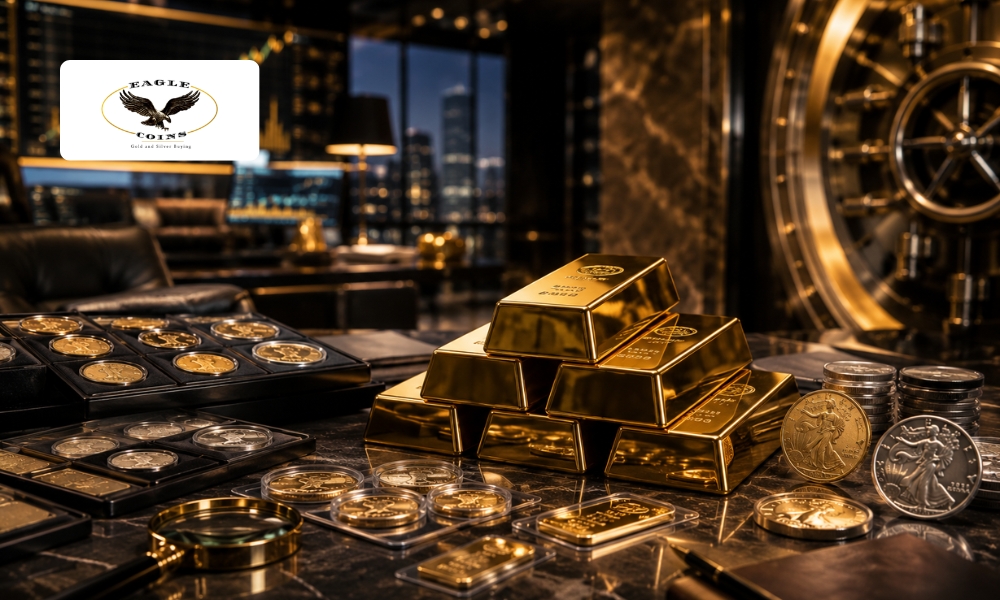
Many individuals have been seeking out reliable methods to preserve their wealth due to economic uncertainty and concerns of inflation and changing financial markets. Among the most trusted investment options available today, gold continues to stand out because of its long-term stability and global value. As a result, more investors are exploring opportunities involving gold bars in Harwich Port as part of their financial security strategies.

The significance of gold has not diminished over the centuries, as it is widely known, has been limited, and is not subject to many of the risks of paper currency and fluctuating markets. Gold bars are a great option for investors interested in precious metals because they offer a practical and efficient way to own physical gold, diversifying financial holdings. 

Eagle Coins Gold and Silver Coins offer customers an opportunity to explore precious metals, collectible coins, estate jewelry, and bullion with evaluations and purchases of many valuable items. Their services support both experienced collectors and individuals who are new to investing in physical assets.

Why Gold Remains a Trusted Investment

Gold is considered a “safe haven” asset when there is financial instability in the markets. The value of gold can be more steady than other assets, such as stocks or digital assets, which may see more significant price movements during economic uncertainty.

Over the years, gold has proven to be a popular choice for a number of reasons:

  • Limited global supply
  • Strong international demand
  • Long-term historical value
  • Protection against inflation
  • Physical ownership and tangible security

Because gold is recognized worldwide, investors often view it as a dependable store of wealth that can help balance investment portfolios during unpredictable market conditions.

The Growing Demand for Gold Bars

Many investors prefer gold bars over smaller gold items because bars generally offer a more efficient way to purchase larger quantities of precious metal. Gold bars come in various sizes and weights, which makes them accessible for both beginners and professionals to invest in them.

Investors often invest in gold bars in Harwich Port for several reasons, such as:

Portfolio Diversification

Financial experts often emphasize the importance of diversification. Gold bars provide investors with the flexibility of diversifying their portfolios rather than just stocks or cash-based investments.

Long-Term Wealth Preservation

For generations, gold has maintained its purchasing power. Many investors buy physical gold as a long-term strategy designed to help preserve wealth over time.

Tangible Ownership

Gold bars differ from digital investments as they are physical objects that can also be safely stored and owned by the investor.

Liquidity and Recognition

Gold bars are widely recognized and can often be bought or sold through precious metal dealers and collectors around the world.

Understanding the Appeal of Precious Metals in Local Markets

The demand for precious metals has also been rising in local communities, where more people are looking for secure investment options. There has also been growing interest in the old currency collectors in Harwich Port, who appreciate the historical and collectible value of rare notes, coins, and precious metal items.

Collectors and investors often have similar objectives: 

  • Preserving value
  • Owning tangible assets
  • Diversifying collections or portfolios
  • Protecting against market uncertainty

Coins with rare currency or collectible coins may also carry historical significance, which can give them interest beyond the value of the metal.

Gold Bars vs. Other Forms of Gold Investments

There are several investment options available to investors when it comes to gold: jewelry, gold coins, exchange-traded funds, and bullion products. The gold bars remain a popular choice since they usually provide benefits to those who are looking to own precious metals.

Lower Premiums Per Ounce

However, gold bars can have lower premiums based on the amount of gold in the bars, as compared to some collectible coins or jewelry pieces.

Simpler Valuation

The price of gold bars is typically based on their weight and purity, which makes it easier to understand the value.

Efficient Storage

Long-term investors tend to prefer gold bars that are compact and convenient for safe storage.

Investment-Focused Purchasing

Many buyers prefer gold bars specifically for investment purposes rather than decorative or collectible reasons.

Why Professional Precious Metal Dealers Matter

Transparency and trust are extremely important when buying and selling gold. Professional precious metal companies can help customers in better understanding:

  • Gold purity and authenticity
  • Market pricing trends
  • Bullion weight and valuation
  • Precious metal investment options
  • Coin and currency evaluations

For both investors and old currency collectors in Harwich Port, working with experienced professionals can help simplify transactions and improve confidence during the buying or selling process.

Economic Uncertainty and Physical Asset Ownership

Investors still buy gold bars in Harwich Port because of the time they seek financial security in times of economic uncertainty. People tend to move some of their money into real estate when they are afraid of inflation, market fluctuations, and the unpredictable global economy.

Physical gold offers a feeling of stability as it isn’t tied to a single government, firm, or digital platform. This independence has been a lifeline to gold’s continuing relevance in the shifting economic landscape.

Many investors consider precious metals to be a long-term investment, not a short-term get-rich scheme.

The Connection Between Collecting and Investing

The worlds of precious metal investing and currency collecting frequently overlap. Individuals interested in historical coins, rare currency, and bullion often develop a deeper appreciation for the role precious metals have played throughout history.

As interest grows among **old currency collectors in Harwich Port**, local demand for evaluations, collectible items, and precious metals continues to expand. Certain investors start out with collectible coins and then switch to bullion ownership, or others invest in gold bars for their investment safety.

Both are indications of increased demand for physical assets that hold longer-term value.

FAQs

  1. Why do investors choose gold bars for financial security?

Gold bars are considered a stable physical asset that can help protect wealth during inflation, economic uncertainty, and market volatility. Many investors use gold as part of a diversified long-term investment strategy.

  1. Are gold bars a better investment than gold jewelry?

Gold bars are often preferred by investors because their value is closely tied to gold purity and weight, while jewelry prices may also include design and manufacturing costs.

  1. What sizes are gold bars available in?

Gold bars come in a variety of sizes, ranging from small gram bars to larger ounce and kilogram bars. This flexibility allows investors to choose options based on their budget and investment goals.

  1. Why are old currency collectors in Harwich Port interested in precious metals?

Many collectors appreciate the historical, collectible, and financial value of rare coins, currency, and precious metals. Precious metal collecting can also support long-term asset preservation.

  1. How can someone verify the authenticity of gold bars?

Professional precious metal dealers typically test gold bars for purity, weight, and authenticity using industry-standard evaluation methods. Working with experienced buyers and sellers helps ensure transparency and confidence during transactions.

How Gold Prices Affect Cash for Old Jewelry Offers Today

Gold has always been considered one of the most valuable and stable assets throughout history. Whether it is inherited jewellery, broken chains, unused rings, or outdated accessories, many people are now opting to take instant cash for old jewellery pieces. However, one important aspect that directly impacts the amount sellers will receive is the current market price of gold.

With gold prices continuously fluctuating, understanding how those changes affect cash for jewelry offers can help sellers make smarter decisions when selling their valuables. Businesses like Eagle Coins Gold and Silver Coins make it easier for customers to understand the evaluation process while offering transparent evaluations for gold, silver, coins, jewelry, and luxury items. 

Why Gold Prices Change Regularly

There are a number of economic and global factors that affect gold prices. Unlike fixed retail prices, gold’s value fluctuates daily, depending on activity in the international markets.

Some of the biggest influences include:

  • Inflation and economic uncertainty
  • Interest rates and currency values
  • Global supply and demand
  • Political and financial market conditions
  • Investor demand for precious metals

During periods of economic instability, many investors move toward gold because it is considered a reliable store of value. When there is higher demand, prices tend to rise, and this can affect offers for individuals who are seeking cash for old jewelry. 

In recent market reports on precious metals, it’s been revealed that the strength of gold demand can have a significant impact on buying activity and payouts in the local coin and jewelry market. 

How Jewelry Buyers Determine Value

There are several important factors professional buyers take into account before making an offer when they evaluate the jewelry that customers bring in.

Gold Purity

One of the biggest factors is purity. Gold jewelry is generally available in the following:

  • 10K gold
  • 14K gold
  • 18K gold
  • 22K gold
  • 24K gold

Higher purity generally means a higher gold content, which can increase the overall value.

Weight of the Jewelry

Since jewelry payouts are dependent on the overall weight of precious metal, gold buyers take jewelry very seriously. Gold still carries significant value, even if the jewelry is broken or damaged.

Current Market Price

The live market rate of gold is one of the most important components in determining a final payout. As gold prices increase, customers tend to get better deals on cash for jewelry.

Condition and Collectible Value

Some pieces may hold additional value because of craftsmanship, brand recognition, antique appeal, or collectible demand. Coins, luxury watches, and estate jewelry can sometimes be worth more than their metal content alone.

Why Many People Sell Jewelry During High Gold Markets

As gold values rise, more people decide to sell jewelry that they no longer wear. Old necklaces, mismatched earrings, broken bracelets, and inherited items are some of the items that can prove to be profitable assets during a robust gold market.

According to precious metals industry discussions and market activity reports, rising gold prices often create increased customer demand for local appraisal as well as selling services. 

That’s why many sellers need to keep an eye on the market before they choose to swap their valuables in exchange for cash for old jewelry.

The Importance of Transparent Appraisals

Trust and transparency are of utmost significance when trading valuables. A reputable gold and silver purchaser will explain:

  • How items are weighed
  • How purity is tested
  • How market pricing affects the offer
  • Whether collectible premiums apply

This enables customers to have a better sense of security during the process.

Eagle Coins Gold and Silver Coins specializes in accurate coin assessments and clear coin pricing for rare coins, gold, silver, bullion, jewelry, and luxury watches. Their services include purchasing broken jewellery, silverware, collectible coins, and estate goods while providing obligation-free evaluations

Jewelry Items That May Hold Value

Many people are surprised to discover how many household items may qualify for cash for jewelry opportunities.

Common examples include:

  • Broken gold chains
  • Old wedding rings
  • Outdated bracelets
  • Gold earrings without pairs
  • Scrap gold pieces
  • Sterling silver jewelry
  • Gold coins and bullion
  • Vintage jewelry collections
  • Estate jewelry
  • Luxury watches

Even products that are broken or have become obsolete can contain valuable precious metals.

Why Local Precious Metal Buyers Remain Important

Online selling is becoming more common, but there are still some customers who want to deal with local buyers because of the in-person evaluation process. Local businesses can offer sellers the ability to:

  • Ask questions directly
  • Receive immediate appraisals
  • Understand testing procedures
  • Get same-day offers
  • Avoid shipping valuables

Trust within the community is also an important factor. Most people are more at ease dealing with well-known companies with a history of purchasing gold, silver, coins, and jewelry.

Understanding Timing Before Selling

Timing can significantly affect the amount someone receives for cash for old jewelry. If the gold price is experiencing significant increases, waiting for good market conditions could lead to higher bids.

However, sellers should also take into consideration:

  • Personal financial needs
  • Market volatility
  • Current demand for precious metals
  • The condition and rarity of the jewelry

Many gold buyers opt for professional evaluations before deciding on a gold purchase due to the fast pace at which gold markets move.

Final Thoughts

Gold prices continue to play a major role in determining modern cash for jewelry offers. As market values rise and fall, the amount buyers can offer for gold jewelry changes as well. Purity, weight, and market value, plus collectibles value, are important concepts that sellers should be educated in making choices about valuables.

Whether someone is selling broken jewelry, inherited pieces, silver collections, or rare coins, working with experienced professionals can help simplify the process. Businesses specializing in precious metals and jewelry buying continue to provide valuable services for individuals looking to convert unused items into immediate financial value.

FAQs

  1. How do gold prices affect cash for old jewelry offers?

Gold prices directly impact how much buyers can offer for jewelry. When market gold prices increase, sellers often receive higher payouts for their gold items because the metal itself becomes more valuable.

  1. Can I get cash for jewelry that is broken or damaged?

Yes. Many buyers accept broken chains, single earrings, damaged rings, and scrap gold because the value is based mainly on the gold content and weight rather than appearance.

  1. How is the value of jewelry determined?

The value is usually based on several factors, including gold purity (karats), weight, current market gold prices, and whether the item has collectible or designer value.

  1. Is it better to sell jewelry when gold prices are high?

In many cases, yes. Higher gold market prices can lead to stronger offers for gold jewelry and precious metal items. Many sellers monitor market trends before deciding to sell.

  1. What types of items can be sold for cash for jewelry services?

Common items include gold necklaces, rings, bracelets, earrings, silver jewelry, estate jewelry, luxury watches, gold coins, and other precious metal items.

Top 10 Most Valuable U.S. Dollar Bills Worth Thousands Today

Quick answer: A dollar bill’s value beyond face amount usually comes down to rarity signals: silver certificates and other pre-1963 note types, red or blue Treasury seals, star notes, fancy or low serial numbers, and printing errors. Most old bills are worth only slightly more than face value, but specific varieties can sell for hundreds or thousands of dollars. The only way to know for certain is a professional appraisal.

Valuable $1 Bills: Key Features and Values

Bill TypeWhat to Look ForApprox. Value Range
Silver certificates“Silver Certificate” printed on the bill, blue seal (pre-1963)$1.50–$20+ common; rare varieties into the thousands
Red Seal Notes (1928–1966)Red Treasury seal instead of green$5–$175+ depending on series and condition
Star notesA star symbol at the end of the serial number$5–$150+; rarer low-print-run stars worth more
Fancy serial numbersRepeating digits, low numbers (under 100), ladders, or near-solid numbers$50–$10,000+ depending on the pattern
Error notesMisprints, off-center printing, doubled images$25–$2,500+ depending on the error type

In the United States, paper currency is not merely a medium of exchange; often, it is also considered a highly valuable collectible. There are certain notes that have become highly valued assets because of their rarity, condition, and the historical significance that they have. Where most bills in circulation are worth only their face value, some other valuable U.S. dollar bills can fetch you thousands of dollars worth in the collectors’ market. 

However, in order to know whether your note is worth an exceptional value or not, you need to have professional expertise. This will help both sellers and collectors and sellers to understand the hidden opportunities that their collections have to offer. 

Why are U.S. Dollar Bills Valuable?

It is worthwhile to find out why certain bills are regarded as valuable U.S. dollar bills before delving into the cases. Some of the most prominent reasons why they are valuable are limited production, uncommon serial numbers, printing errors, and historical significance. Also, a significant factor is the state of the note, with uncirculated bills fetching the highest prices.

Collected notes that have several desirable characteristics are usually sought after, as they may be valued the most.

1. 1890 Grand Watermelon $1,000 Treasury Note

It is one of the most popular and most desirable bills in U.S. history, so-called because of the huge green watermelon-like zeros on the backside. It is now the most valuable U.S. dollar bill due to its rarity and iconic design, with auction prices in the hundreds of thousands.

2. 1869 1-dollar Legal Tender Note (Rainbow Note)

The Rainbow Note is very collectible with its distinctive design and few known survivors, and is also known to be painted in vivid colors. Mint condition ones can fetch thousands of dollars, particularly the higher grade ones.

3. 1928 $500 Federal Reserve Note

Though the $500 bills were used for day-to-day transactions, they are no longer used. The 1928 series is especially valuable because few of them are available and because of the historical worth of the coins; they are a highlight of valuable U.S. dollar bills.

4. 1934 $10,000 Federal Reserve Note

It is the largest denomination bill to have been issued to the people. Although the majority of them are possessed by institutions or collectors, any specimen that comes on the market can fetch a huge sum of money because of its rarity and its exclusivity.

5. 1891 $50 Treasury Note

This note has a unique portrait and a complicated design that will be of interest to collectors. Its scarcity of production and age are another factor that makes it very valuable, especially when in good condition.

6. 1862 $1 Legal Tender Note

The note is of great historical value since it was one of the earliest paper currencies to be issued by the United States. Its age by itself is not its value, but its contribution to early American finance is what makes it one of the most valuable U.S. dollar bills to the collectors.

7. 1928 $1 Silver Certificate (Funnyback)

The nickname Funnyback is simply due to the design on the reverse side. Although not every example is worth a lot of money, some of the rare versions and high-grade notes may be worth a lot more than their nominal value.

8. 1953 $5 Red Seal Star Note

Star notes are substitution bills that are reprinted in a smaller amount. Together with older series such as the 1953 Red Seal, they are very collectible. Depending on the condition and rarity, these notes can fetch high prices.

19. 2-dollar Federal Reserve Note (Rare Serial Numbers)

Although the $2 bill is still circulating, some of the rare serial numbers (ex: repeating numbers) and low numbers are also regarded as valuable U.S. dollar bills. They could fetch much higher than face value, particularly when they are in uncirculated condition.

10. 1995 $1 Federal Reserve Note (Error Bill)

Even modern bills may be valuable when they have printing errors. These notes are unique as they contain misprints through misaligned design or lacking elements. The 1995 series of error bills has become the focus of collector interest, with some worth thousands of dollars depending on the seriousness of the error.

The Condition Matters

Condition is a vital aspect even in the most valuable U.S. dollar bills. The poor condition of a rare note can fetch much less than the good condition of a common note. Collectors highly value premium, crisp, and clean bills without folds or damage. Condition is graded through grading systems, and the better the grade, the better the price in an auction or a private sale.

Trends and Demand of Collectors in the Market

The price of collector currency depends on the demand in the market. The trends may change depending on the interest of the collectors, the economic state, and the supply of certain notes. Certain bills can appreciate in value with time because they are more difficult to find. Being aware of the outcomes of the auctions and the activity of collectors can allow you to know the modern price dynamics and when it is better to purchase or sell.

How to Verify Authenticity

When you are dealing with highly valuable U.S. dollar bills, it becomes essential to verify its authenticity. Since a lot of counterfeit notes exist in the market, verification allows you to be sure that the items that you are dealing with are genuine. Buyers like Eagle Coins Gold and Silver Buying offer professional assessment and grading services that confirm the legitimacy of the note. After this, they will also provide you with an accurate valuation.  

The step involving professional assessment is particularly important for such bills that are being considered as rare and high-denominational. Basically, wherever the stakes are higher. 

FAQs

What makes a dollar bill valuable to collectors?

Rarity signals drive value: note type (like silver certificates), unusual seal colors, star notes marking replacement printings, fancy or low serial numbers, and printing errors. Condition matters too; crisp, uncirculated bills are worth significantly more than worn ones.

How much is a silver certificate dollar bill worth?

Common silver certificates in circulated condition are typically worth $1.50 to $20, but rare series, exceptional condition, or unusual serial numbers can push individual notes into the hundreds or thousands of dollars.

What’s the most valuable US dollar bill?

Auction records for exceptionally rare large-size notes from the 1800s have reached into the tens of thousands of dollars. For everyday finds, the highest values typically come from rare star notes, fancy serial numbers, or genuine printing errors rather than the bill’s age alone.

Top 10 Silver Certificate Notes Worth Selling Today

Silver certificates are an interesting aspect of the history of U.S. currency, and to both collectors and sellers, they can be worth a lot more than the face value. Knowing the silver certificate value and the factors that affect the silver certificate dollar bill value can assist you in discovering the opportunities that were hidden in your collection or tucked away in the drawers.

Whether you are an experienced collector or someone who recently discovered old currency, the difference between knowing which notes you can sell and the reasons why can be a significant one. Businesses like Eagle Coins Gold and Silver Buying focus on assessing and buying collectable notes, coins, and precious metals, and assist people in converting historical notes into actual financial resources.


What Are Silver Certificates?

Between 1878 and 1964 in the United States, silver certificates were issued, and they could once be exchanged for real silver. Although they cannot be redeemed with silver any longer, they are much sought after as they are related to the history of their time and have limited availability.

The silver certificate dollar bill value is based on several elements, such as the rarity, condition, year of printing, and other special features like signatures or even printing variations.


Factors That Influence Silver Certificate Value

It is important to understand how to determine the silver certificate value before diving into the top notes:

  • Age and Series Year: The older notes are generally more valuable
  • Condition: Notes that are crisp and uncirculated command higher prices
  • Rarity: Limited print runs increase demand
  • Signatures and Variations: Certain combinations are more collectible
  • Star Notes or Errors: Unique features can significantly add value

Even ordinary notes may be worth more than their face value when they are in very good condition.


Top 10 Silver Certificate Notes Worth Selling

The following are ten silver certificate notes that are often sought by collectors and may have a high resale value:


  1. 1896 $1 Educational Series Silver Certificate

This note is artistic in design and is highly collectible, as well as commanding a premium price because of its historical and visual value.


  1. 1899 $1 Black Eagle Silver Certificate

This note has a bold eagle design, making it one of the most recognizable and popular certificates.


  1. 1928 $1 Silver Certificate

Being one of the first small-sized notes, this series also has high collector demand, particularly when it is in uncirculated condition.


  1. 1934 $1 Silver Certificate (Blue Seal)

A common but valuable note based on condition and signature combinations.


  1. 1935 $1 Silver Certificate

Widely circulated but still collectible, especially star notes and well-preserved examples.


  1. 1935A “Hawaii” Overprint Note

This note was issued during World War II, and it features a special overprint, which makes it very desirable.


  1. 1935A “North Africa” Yellow Seal Note

Yet another wartime issue, which has a yellow seal and which is much sought after by the collector.


  1. 1957 $1 Silver Certificate

Being one of the final series to be issued, they are more prevalent, however, with potential value if in good condition.


  1. Star Note Silver Certificates

Any series with a star in the serial number is rare and is usually more valuable than ordinary notes.


  1. Error Notes and Misprints

Any printing mistake, including an off-center seal or ink problems, can make a note worth a lot of money.


Why Condition Matters So Much

Condition is a key factor to consider when determining the silver certificate dollar bill value. An uncirculated note will be worth several times more than a folded, stained, or torn note.

Some standards of grading commonly used by collectors include:

  • Poor to Fair
  • Good
  • Very Fine
  • Extremely Fine
  • Uncirculated

The closer a note is to being out of circulation, the better its market value.


Services Offered by Eagle Coins Gold and Silver Buying

If you own silver certificates and want to determine their worth, working with professionals is the best approach. Eagle Coins Gold and Silver Buying provides comprehensive services that will assist sellers in making informed decisions.

Their services include:

  • Appraisal and purchase of silver certificates and paper currency
  • Buying gold and silver bullion
  • Coin evaluations, such as collectible and rare coins
  • Jewelry and precious metal assessments

We deal with a great variety of products, such as U.S. coins, bullion, and collectible currency. We have the experience of evaluating both historical and modern assets, which makes us accurate in evaluations.


Understanding the Role of Precious Metals and Coin Brands

Collectors usually search for related assets, like gold and silver products, along with paper money. Common products are bullion bars and coins, and such collectible coins from recognized mints.

These may include:

  • U.S. Mint coins
  • Silver bullion rounds and bars
  • Gold coins and investment-grade metals

The value of these items often complements the worth of collectible currency; therefore, they can be a valuable addition to a diversified collection.


When Is the Right Time to Sell?

Timing can also be of significance in maximizing your payoff. The silver certificate value is affected by the market demand, economic conditions, and the collector trends.

It may be a good time to sell if:

  • There is a high demand for collectible currency.
  • You have well-preserved or old notes in good condition.
  • You want to liquidate assets for limited value

Professional consultations are important as they will make sure that you are selling at the right time for the right price.


Tips for Sellers

If you’re considering selling your silver certificates, keep these tips in mind:

  1. Take care of the notes to avoid damage
  2. Store them in protective sleeves
  3. Avoid cleaning or altering the notes
  4. Research basic value indicators
  5. Seek professional appraisal

These measures may help in maintaining and maximizing the value of your collection.


Final Thoughts

Silver certificates are more than just old currency; they are pieces of history with real financial potential. By learning the silver certificate value and identifying factors that affect the silver certificate dollar bill value, you can be confident in making informed decisions on whether to buy, sell, or hold on to such special notes.


FAQs

  1. What determines the silver certificate value?

Silver certificate value depends on factors like age, rarity, condition, and unique features such as star notes or special signatures.


  1. Are all silver certificates valuable?

Not all are highly valuable, but even common notes can be worth more than face value, especially if they are in excellent condition.


  1. How do I check my silver certificate dollar bill value?

You can examine the series year, condition, and any unique markings, but a professional appraisal gives the most accurate value.


  1. Where can I sell silver certificate notes?

You can sell them to trusted buyers who specialize in currency and precious metals, such as Eagle Coins Gold and Silver Buying.


  1. Do older silver certificates always have a higher value?

Older notes are often more valuable, but rarity, condition, and demand also play a major role in determining their worth.

This $1 Bill Could Be Worth $10,000 – Check Yours Now

Most people never give a second thought to the dollar bills in their wallets. However, what would it be like to get thousands of dollars on one of those bills? It may sound unbelievable, but certain kinds of currency, especially a rare 1 dollar bill, can be of great interest to collectors. In fact, there have been some bills that are sold for tens of thousands simply because of their unique features, such as condition, rarity, or, most importantly, rare 1-dollar bill serial numbers. 

To those who want to extract hidden value out of the everyday cash they see around them, it is always important to know what makes a bill valuable. There are businesses such as Eagle Coins Gold and Silver Buying that deal specifically with the assessment and acquisition of collectible currency, coins, gold, and silver, thus making it easier to turn the forgotten items into actual worth.


Why Some $1 Bills Are Worth Thousands

On the surface, all the $1 bills can appear to be the same. However, collectors consider various attributes that determine whether a bill is ordinary or highly valuable.

Key elements include:

  • Serial number patterns
  • Condition of the bill
  • Print year and rarity
  • Special features like star notes or mistakes 

Although some bills have as little value as their face value, a combination of some of these features can drive a bill to thousands of dollars. For example, bills of exceptionally low serial numbers or unique patterns have fetched a lot of money in the collector markets. 


Understanding Rare 1 Dollar Bill Serial Numbers

One of the biggest indicators of value is the serial number printed on a bill. These eight-digit numbers are unique to each note, although some of them are more desirable than others.

Here are some of the most desired rare 1 dollar bill serial numbers: 

  • Low Serial Numbers: Bills with multiple zeros in their serial number (such as 00000005) are very rare and valuable. 
  • Repeater Numbers: The collectors consider patterns like 12121212 or 45454545 to be attractive because it is symmetrical. 
  • Radar (Palindrome) Numbers: These are written in the same direction forward and backward (e.g., 12344321). 
  • Solid Numbers: Bills that have the same digits (e.g., 77777777) are extremely high prized. 
  • Binary Numbers: Notes made up of two digits only (such as 0101010101) can also be collected. 
  • Star Notes: A star symbol at the end of the serial number indicates a replacement note, increasing rarity. 

Even the modern bills can be valuable if they have such patterns. Actually, rarity is mostly also influenced by the serial number rather than the age of the bill. 


The Role of Condition in Determining Value

Serial numbers are essential, but the physical state of a bill is equally significant. A fresh bill, uncirculated, may be of great value compared to a worn bill.

The collectors usually look for:

  • No folds or creases
  • Bright colors and clean edges
  • Minimal handling or damage

Even a rare serial number may depreciate if it is heavily circulated. On the other hand, a clean bill with an attractive design has the potential to fetch high prices. 


Hidden Value in Everyday Currency

The best part of collecting is that there are still bills of value in circulation. Most individuals are unaware of how they end up spending or storing bills with the potential of being worth much more than 1 dollar.

Some rare discoveries include:

  • Bills that are printed in error or contain duplicate serial numbers.
  • Older series with limited production runs
  • Patterns of serial number combinations that are unique

In rare cases, bills with exceptional features have sold for thousands, or even more, due to collector demand and scarcity. 


Services Offered by Eagle Coins Gold and Silver Buying

In case of suspicion that it may be a valuable bill, it is essential to have it professionally checked. Eagle Coins Gold and Silver Buying offers a variety of services that help people comprehend and realize the worth of their assets.

Their services include:

  • Buying and valuing rare currency and paper money
  • Gold and silver purchasing
  • Coin evaluations, including collectible and bullion coins
  • Jewelry and precious metal assessments

They deal in a broad range of products, which include the coins of the U.S., collectible banknotes, and even precious metals like gold and silver in the form of bullion. They provide clear ratings, which help sellers to be assured of the value of their products.


Why Professional Appraisal Matters

It is not always easy to determine the value of a rare 1 dollar bill. Minor details such as a slight alteration in the serial number or even a minor printing mistake can count a lot.

Professional buyers and appraisers:

  • Understand the existing market demand
  • Recognize rare features quickly
  • Provide accurate and fair valuations

The collaboration with experienced professionals ensures that the sellers will not underprice their currency.


How to Check If Your $1 Bill Is Valuable

You may wonder whether you can get more money on your bill. Here are a few simple steps:

  1. Check the serial number for unique patterns or small digits
  2. Check the condition of the bill carefully
  3. Identify special markings, such as a star symbol
  4. Compare with known rare patterns
  5. Get a professional evaluation

These steps may assist you in determining whether you are holding on to something really worthwhile.


Final Thoughts

The fact that a mere dollar bill could be worth thousands might seem unbelievable, but that is the way it is in the currency collecting world. Anyone can begin to notice where opportunities are lurking by knowing how to make the hidden opportunities of rare 1 dollar bill serial numbers valuable.

Whether you’re a casual collector or someone who just found an unusual bill, a few moments spent examining your coins can be rewarded. With expert assistance from Eagle Coins Gold and Silver Buying, turning an ordinary bill into a valuable asset is more possible than ever.


FAQs

  1. What makes a rare 1 dollar bill valuable?

A rare 1 dollar bill becomes valuable due to unique serial numbers, printing errors, age, and its overall condition. The rarer the combination of these features, the higher its potential value.


  1. What are rare 1-dollar bill serial numbers?

Rare 1-dollar bill serial numbers include patterns like low numbers, repeaters, palindromes, or solid digits. These unique sequences are highly sought after by collectors.


  1. Can modern $1 bills still be valuable?

Yes, even newer bills can be valuable if they have rare serial number patterns or special features like star notes. Age is not always the main factor in determining value.


  1. How can I check if my $1 bill is worth more than face value?

You can examine the serial number, check the condition, and look for unique features. For accurate valuation, it’s best to consult professionals like Eagle Coins Gold and Silver Buying.


  1. Where can I sell a rare 1 dollar bill?

You can sell it to reputable buyers who specialize in currency, coins, and precious metals. Professional evaluation ensures you receive a fair and accurate price.

What Makes Old Paper Money Valuable? A Complete Value Guide

Old paper money isn’t merely evaluated based on its face value; it also carries history, rarity, and collector demand. Whether you have discovered a piece lying in some drawer or it has been passed down through generations, to truly understand what makes valuable old currency worth what it is, you need professional input. An appraiser will be able to better study various technical and market-driven factors that influence the value of your paper currency. Not every note is highly valuable, but when assessed correctly, you can know the actual value of your possession. 

The Currency Value Foundation

Old paper money is valued on the basis of scarcity, condition, demand, and other unusual characteristics. Sellers and buyers evaluate every note individually, frequently based on grading systems and past historical records. Although age can be a contributing factor, it is hardly the determining element. Rather, the originality and conservation of the note have much more significance.

Limited Availability and Rarity

One of the most powerful forces that are behind the worth of valuable old currency is rarity. Notes that have been issued in small numbers or taken out of circulation early are likely to be of interest. Some series were even cancelled by political or economic reforms or printing mistakes, and so, surviving notes are particularly valuable.

There can be some variations that are rarer than others, even within a single series. Even a minor change in design, printing batch, or year of issue can greatly influence the scarcity of a note in the collector market. Due to this fact, the notion of rarity is frequently measured together with historical records and production data.

Condition and Grading Standards

Condition is a very important factor in value determination. A well-preserved note will always fetch a better price than a highly worn note. Professional grading systems classify notes on the basis of physical condition, from uncirculated to very worn.

The paper of an uncirculated note is generally crisp, its corners sharp, and there is no trace of folds. When notes go through circulation, they become creased, discolored, and worn at the edges. The small imperfections may diminish the value, particularly in the case of collectors who want a close-to-perfect specimen. This is why it is necessary to store and handle the old currency properly to preserve its value.

Historical History and Collector Interest

Money in the form of paper usually echoes the economic and political conditions of the same period. The notes issued in times of war, economic transition, or a transition in government are more likely to be appealing. Not only is the design appealing to the collectors, but also the story behind the currency.

As an illustration, there are notes that came into existence when an unstable regime or a transitional government existed and were issued; these notes can be of particular importance since they can be taken as a moment in history. Both numismatists and history lovers seek such notes, which makes them even more valuable in the market.

Unique Identifiers That Add Value

There are features that may put a note in the spotlight even in the same series. One of such factors is serial numbers. Serial numbers that are low, repeating patterns, or sequence numbers are extremely collectible due to their rarity and visual attractiveness.

The value of printing errors is also a great contributing factor. Such mistakes can be misaligned prints, missing elements, or inverted designs. Most of these errors are normally discovered in the production process; hence, only a few error notes end up in circulation, and thus they command a very high demand.

The availability of replacement notes is another vital detail that is usually accompanied by a star symbol. Printing of these notes was to replace faulty ones, and they are usually printed in very limited numbers, making them more sought after by collectors.

The Misconception About Age

One of the general beliefs is that the older the paper money, the more valuable it is. As a matter of fact, the age does not make a difference. Several of the older notes, printed in large numbers, are fairly common at present. Consequently, they might be a little more than skin deep. On the other hand, newer notes may be more valuable, perhaps because they are of limited issue or include distinctive characteristics. It emphasizes the fact that when analyzing a note, one should take into account all its characteristics and not only its age.

Fluctuations in the Demand and Price

Demand is also another factor that determines the worth of valuable old currency. Collector value is subject to change with time, and the value of a note at a particular time will be influenced. The nature of economic conditions, the trend of auctions, and the activity of global collectors are factors that contribute to the formation of prices.

To obtain the accurate value, professional appraisals are frequently required. Grading, rarity, and prevailing current market trends are some of the factors that dealers and other experts take into account when they give a price. Comparing the offers of various buyers can also aid in making sure that you do not get a bad deal.

Long-Term Value and Preservation

To preserve the value of the old paper money, it is important to maintain the condition of the money. Moisture, sunlight, or improper handling may cause damage permanently. Deterioration can be prevented by the use of protective sleeves and keeping the notes in a controlled environment.

Handling should be kept to a minimum, especially for high-value notes. The paper may be influenced by even natural oils on the skin in the long run. To preserve the long run and avoid direct contact, collectors usually use gloves.

When to Sell Old Currency

Deciding the right time to sell your currency differs from person to person since it is based on both the market conditions as well as one’s personal goals. In case, at a given time, the demand for a specific currency is higher in the market, that would be the right time to sell it. However, it is also important to know that rare notes will generally appreciate with time, so it is better to hold onto them until you feel the need to sell them. 

It is advisable that you take the time to research the current market prices and professional inputs from a professional appraiser before you go out to sell your paper notes. When you know what the actual market worth of your valuable old currency is, it can prevent undervaluation and allow you to enjoy a more rewarding transaction. 

FAQs

  1. How do I know if my old paper money is valuable?

You should examine its rarity, condition, serial number, and historical significance. A professional appraisal can provide the most accurate valuation.

  1. Are all old currency notes valuable?

No, many old notes are common and hold little value beyond their face amount. Rarity and condition are more important than age.

  1. What makes serial numbers important in currency value?

Unique serial numbers, such as repeating or low digits, are rare and often attract collectors, increasing the note’s value.

  1. Can damaged paper money still be valuable?

It can still have value, especially if it is rare, but damage generally reduces its overall worth.

  1. Is it better to sell old currency now or later?

It depends on market demand and the rarity of the note. Rare currency may increase in value over time, while common notes may not.

How to Identify Rare Paper Money Before You Sell

On your first glance, old banknotes might appear as ordinary money. However, there is more to it than appears to the eye. So, it becomes important to understand the true value of your notes through a proper evaluation before you decide to sell them. Identification and evaluation of rare paper money require a technical study of the printing details, condition, historical background, and market demand. In case you do not apply this knowledge, there is risk of undervaluing your currency and losing a lot of potential gains.

Begin With a Visual Examination

A close visual inspection is the first step to discovering rare paper money. Each note is filled with numerous characteristics that can be used to unravel its peculiarity. Note design, date of issue, signatures, and layout. Minor variations between similar notes of the same time period may reflect a rare variation.

Inspect the quality of prints and alignment. Unusually printed notes can be error notes, and these are much sought after by collectors. Even minor anomalies, like shifted ink or missing elements, can add to the overall rare paper money value greatly.

Know About Serial Numbers and their Significance

Among the most neglected but important issues of currency evaluation are serial numbers. They are able to make a normal note a rare one. Some categories of serial numbers are highly demanded because of their rarity and beauty.

As an illustration, notes that have extremely low numbers or repeated patterns are usually regarded as premium commodities. Serial number or exclusive combinations are also likely to fetch a higher price. Since such patterns are rare, the collectors are ready to pay higher prices, which directly influences the value of rare paper money.

Assess the State by Grading Standards

Condition is one of the decisive factors in determining the value of your currency. A note in bad condition can be valued much less than in good condition, even though it is a rare note. Professional grading systems grade notes according to their physical condition, including uncirculated ones and those in a highly damaged condition.

Uncirculated notes are most valuable since they do not exhibit any evidence of being handled. These notes are still crisp, with no folds or creases. Notes in circulation wear out; they are discolored and their edges are damaged. All the grades of wear diminish the value of the rare paper money, and preservation is, therefore, a major issue in maximizing returns.

Accurately Define Printing Errors and Misprints

One of the most desirable forms of rare paper money is an error note. These are when something goes awry during printing. This makes the few that make it to circulation very collectible since quality control generally eliminates the defective notes.

Widely used errors are misaligned prints, lack of ink, multiple impressions, and inverted designs. These imperfections render the note special, and rarity is a core motivation of the collector market. Even the slightest mistakes can raise the value of the rare paper money, according to their visibility and scarcity.

Research Historical and Series Information

The historical background of a note can also be of great help in determining the rarity of a note. Money printed at certain times, e.g., war money, economic reform, a change of government, etc., can have other meanings.

Not all of them were printed with lengthy periods, and therefore, this makes them even more rare. Still others might be of special series no longer being circulated. Investigating the problem, year, series, and historical context will assist in deciding whether your note is a rare one.

This is necessary since rarity is not necessarily apparent. Two notes can be almost identical, yet one might be in a much rarer series with a dramatic price impact on its rare paper money value.

Compare Market Prices and Demand

After considering the physical and historical factors of your note, the second thing you need to do is to determine the prevailing market demand. The market value of rare paper money is dependent upon the interest of the collector over time, which may be increasing or decreasing.

Looking at the results of auctions, dealer lists, and collector forums can give you a better idea of what other similar notes are bringing. This comparison will allow you to have a realistic expectation of the value of your note. It also eliminates underpricing, especially in the case of rare or unique pieces.

Seek Professional Appraisal

Although personal research is beneficial, professional appraisal gives a better evaluation. Standardized grading together with market data is used by currency experts to establish the real rare paper money value. An appraiser is able to see the nuances that might not be seen at first glance, like rare print variations or authentication marks. They are also able to verify whether a note is authentic, something important in a market where forgeries are rife.

It can also be advantageous to get several dealers who are reputable to ensure that you are presented with a good and competitive offer.

Essentials to Avoid Before Selling

A lot of sellers commit preventable errors that diminish the worth of their currency. One of the most common errors is attempting to clean or restore a note. Washing may destroy the paper and take away original characteristics, greatly diminishing its value.

The other mistake is folding or not storing the currency properly. Direct impact on physical damage affects grading and, consequently, the final price of sale. To maintain the integrity of your notes, it is necessary to handle them and to store them properly.

Another risk is rushing to make a sale without research. It can make a big difference in the end result to take the time to properly examine your currency.

Proper Storage and Handling Techniques

It becomes crucial to preserve the condition of your notes, more importantly if you do not want to sell them immediately. Make sure that it stored properly in a cool, dark, and dry place. Keep the notes in a protective and acid-free holder. It is advisable to avoid any exposure to sunlight, moisture, and excessive handling. Make sure that when you are examining such high-value notes, you are wearing gloves, as the oils and dirt from your hands can damage the notes. With such simple precautions, it becomes easier to maintain the rare paper money value and also ensures that your notes stay in the most optimal condition for sale in the future. 

FAQs

  1. How do I determine the rare paper money value of my note?

You should evaluate its condition, rarity, serial number, and historical significance, then compare it with current market prices or consult a professional appraiser.

  1. What serial numbers make paper money rare?

Low numbers, repeating digits, sequential patterns, and unique combinations are considered rare and can increase value.

  1. Are printing errors always valuable?

Most printing errors increase value, but the level of worth depends on how rare and noticeable the error is.

  1. Should I get my paper money professionally graded?

Yes, professional grading provides an accurate assessment and can help you secure better offers when selling.

  1. Can improper storage affect rare paper money value?

Yes, exposure to moisture, sunlight, or frequent handling can damage notes and significantly reduce their value.

Downsizing? Here’s How to Turn Your Old Jewelry into Cash

Downsizing your house or streamlining your living situation usually involves getting rid of things that are not in use anymore, such as old jewelry. These may be broken chains, outdated designs, or inherited pieces lying unused, but these items can hold great value. Rather than throwing them away, many people are choosing to turn old jewelry into cash as a viable and fulfilling solution. 

Understanding how the process functions can assist you in maximizing its value and ensuring a smooth and secure experience. Using the trusted services of Eagle Coins Gold and Silver Buying, converting jewelry, it is easy, straightforward, and profitable to convert the unused jewelry into cash.


Why Downsizing Is the Perfect Time to Sell Jewelry

Downsizing helps you to consider what is actually important to you. Jewelry can have sentimental value, but not every piece of it is useful or even wearable.

It makes sense to sell simply because:

  • Unused jewelry can be converted into immediate cash
  • You can reduce waste while gaining financial value
  • Metal can be found in broken or old items as well
  • It helps you to invest back in things that you actually need


Turning your old jewelry into cash is not just about decluttering your space; it is also about making smart financial choices. 


What Types of Jewelry Can Be Sold?

Most individuals believe that only high-end jewelry or jewelry that is in perfect condition can be sold, but that is not true. Professional buyers accept a wide range of items.

Gold Jewelry

  • Rings, necklaces, bracelets, and earrings
  • Broken or damaged pieces
  • Scrap gold and dental gold


Silver Jewelry

  • Sterling silver pieces
  • Antique or vintage designs
  • Silver chains and accessories


Other Valuable Items

  • Jewelry that contains precious stones
  • Designer or branded pieces
  • Coins, jewelry, or other collectible items


At Eagle Coins Gold and Silver Buying, even the items that seem unusable can be looked at by the value of the metals and their potential collectible value.


Popular Brands and Valuable Pieces

Some jewelry brands and other items related to coins may carry a value other than that of the metal.


Popular Gold and Silver Coins

  • American Gold Eagle
  • Canadian Gold Maple Leaf
  • South African Krugerrand
  • American Silver Eagle
  • Morgan Silver Dollar


Branded Jewelry

Depending on the condition and demand, popular designer products or branded collections can have high prices attached to them.

When you turn old jewelry into cash, remember that the value in terms of metal itself and any other value in terms of brand or rarity is important to consider. 


How the Selling Process Works

You do not need to make it complicated to sell your jewelry. Whether gold or silver, reputable buyers of the precious metal follow a structured process to encourage fairness and transparency.


Step 1: Evaluation

Depending on the type, condition, and composition, your jewelry is examined.


Step 2: Purity Testing

Gold is tested to karat value (10K, 14K, 18K, or 24K), and silver is tested as per its purity levels, like sterling.


Step 3: Weighing

Items are weighed using precise equipment to determine their value accurately.


Step 4: Market Pricing

A fair offer is determined by current rates in the gold and silver markets.


Step 5: Offer and Payment

You get a clear offer, and if accepted, the payment is received in a short time.


In the case of Eagle Coins Gold and Silver Buying, this is handled in a professional manner so that the sellers understand all the steps.


Tips to Maximize Value When Selling Jewelry

When you intend to turn your old jewelry into cash, there are a few simple steps that will allow you to earn as much as possible.

  • Separate Your Items: Make groups of gold, silver, and gemstone jewelry and evaluate them separately.
  • Know the Basics: It is also a good idea to learn the karat values and the approximate weight so that you can have a better idea of what to expect.
  • Check Market Prices: The prices of gold and silver keep on changing, and as you go to the market, if they are high, sell them right away to yield you more profit.
  • Don’t Overlook Broken Pieces: Even damaged jewels have value as far as the contents of the metals are concerned.


The Importance of Professional Buyers

A safe and fair deal will be ensured with the assistance of senior professionals. Trustworthy buyers of gold and silver will offer:

  • Clear assessment of processes
  • Proper pricing based on market rates
  • Healthy and professional environments
  • Fast and hassle-free transactions


When Should You Sell Your Jewelry?

There is no perfect time to sell, but some circumstances are more advantageous:

  • When gold and silver market prices are high
  • When downsizing or relocating
  • When you need quick access to cash
  • When jewelry is no longer being used

Timing your decision strategically can help you maximize the benefits and get the most value when converting old jewelry into cash.


Emotional Considerations

Disposing of jewelry may not always be easy, particularly when there is sentiment about it. However, one should not confuse attachment at the emotional and practical levels.

Consider:

  • Keeping a few meaningful pieces
  • Reusing or redesigning items with sentimental values
  • Selling only what you no longer need

This moderate method permits you to downsize without regret.


Beyond Jewelry: Additional Opportunities

Although jewelry is a typical piece to sell, many buyers also accept:

  • Gold and silver coins
  • Bullion bars
  • Sterling silver flatware
  • Collectible currency


This implies that you can test several of their assets simultaneously and get the most out of your visit.


FAQs

  1. Can I really turn old jewelry into cash even if it’s broken?

Yes, even broken or damaged jewelry can be sold, as it has a value depending on the quantity of gold or silver it contains, and it can be sold to professional buyers.


  1. How is the value of old jewelry determined?

It is priced based on the actual purity and weight of the metal, and the additional price of brand or collectability, depending on the current market price of that metal.


  1. Which kinds of jewelry can I sell?

You can sell gold or silver earrings, necklaces, bracelets, scrap jewelry, pearl jewelry, gemstones, and even jewelry that has designer branding on it.


  1. Do I need to clean my jewelry before selling it?

There is no necessity to clean, along with the fact that the buyers do not rate by the appearance but by the metal content; however, organizing items can make the process faster.


  1. How quickly can I get paid after selling my jewelry?

The majority of professional buyers offer their payments either immediately or on the same day as soon as you receive their offer, and it makes it a quick and easy process.

Why Are Central Banks Buying More Gold

Gold has always held a powerful position in the global financial system, but in recent years, the trend of central banks buying gold has accelerated at a rapid rate. Countries worldwide are increasing their gold reserves as part of their long-term economic policies, with some nations purchasing in large quantities. This surge raises an important question: Why are central banks turning to gold more aggressively than ever before? 

The answer is a combination of economic uncertainty, changing geopolitical conditions, currency risks, and the timeless appeal of gold serving as a store of value. For individuals and investors, this trend is also an insight into how gold continues to shape economic stability in the world. Companies like Eagle Coins Gold & Silver Buying observe these changes closely, helping buyers to understand how precious metals will be valued in today’s markets. 

Let’s check out some of the key reasons behind the growing demand for gold among central banks and how it impacts the global economy: 

  1. Gold as a Safe-Haven Asset

Central to the gold rush in central banks buying gold is the fact that the metal is a safe-haven asset. During times of economic instability, be it triggered by inflation, market volatility, or geopolitical tensions, gold remains one of the most stable and reliable stores of value. 

The central banks aim to safeguard their national reserves from currency devaluation and financial shocks. The combination of stability, global acceptance, and rarity makes it an ideal asset for the preservation of wealth over a long period of time. Paper currency is vulnerable to changes in policy or political decision-making, because of which it depreciates, unlike gold, which is exceptionally attractive to countries seeking financial stability. 

  1. Rising Global Economic Uncertainty

The global market has been experiencing a period of fluctuating growth, inflation and unpredictable market conditions. These uncertainties influence central banks to diversify their holdings. 

Factors such as:

  • Trade tensions 
  • High national debt levels
  • Shifts in global alliances
  • Currency instability
  • Increasing geopolitical conflict

All contribute to a larger movement toward precious metals

Gold serves as a protection against risks that cannot be entirely predicted or controlled. With countries navigating through such uncertainties, the decision to buy gold becomes a strategic move to strengthen financial strength. Other companies like Eagle Coins Gold & Silver Buying, which deals in the exchange of precious metals, are also recording a rise in the levels of interest among consumers during these turbulent times. 

  1. Reducing Reliance on the U.S. Dollar

The U.S. dollar has been the world’s dominant reserve currency for decades. However, the trend of diversifying away from the dollar has increased as countries are aiming to seek greater financial independence. 

The central banks are increasingly considering gold as a neutral asset, one that does not belong to any particular country and is not influenced by international monetary policy. Expanding gold reserves can allow countries to reduce the risks associated with holding large amounts of foreign currencies. 

This movement is especially strong among countries focusing on enhancing economic sovereignty. The universal value of gold gives central banks a higher level of control, which makes it an attractive tool for managing their long-term monetary strategies. 

  1. Gold’s Role in Strengthening Currency Stability

Due to high reserves of gold, countries usually have a stronger reputation for their currency. The currency becomes more credible in the international market when a nation’s reserve holdings are backed by gold. 

Central banks buy gold to: 

  • Strengthen their financial strength
  • Support currency stability
  • Enhance international confidence in the economy

Gold-backed confidence can help in stabilizing exchange rates and improving the financial position of a country. These benefits are one of the main reasons why the government’s interest in gold continues to rise. 

  1. Long-Term Value Protection

Unlike other assets, gold has consistently maintained and even increased its value for centuries. It does not tarnish, corrode, or disappear, and its supply increases gradually, keeping it relatively limited. 

Central banks understand that gold is not just valuable today, but it will be valuable in the next decade, the next century, and after that. By increasing their gold reserves, they ensure long-term security and protection against future economic challenges. 

The same principle attracts individual investors who are interested in stability. As consumer interest grows, reputable businesses like Eagle Coins Gold & Silver Uying play a significant role in helping individuals to buy and sell gold with confidence. 

  1. A Response to Inflation and Interest Rate Volatility

One of the biggest drivers of central banks’ gold purchases is inflation. The purchasing power of money decreases when inflation increases. Gold, on the other hand, retains its value during an inflationary period. 

Additionally, gold becomes more attractive even when interest rates fluctuate. Lower rates often increase demand for gold as an alternative investment. Central banks hold huge reserves, so protecting these reserves from inflation or policy changes is essential. 

Therefore, central banks buying gold is often a direct response to maintaining financial balance in changing economic conditions. 

  1. Geopolitical Tensions and Global Conflict

Wars, sanctions, or political instabilities cause uncertain changes in global markets. Traditionally, the gold prices increase in such times as investors and central banks turn to safe assets. 

Gold is not directly associated with the political situation of any one country. It is globally recognized and universally accepted. This makes gold the preferred choice during global conflicts.


FAQs


  1. Why is the central bank buying gold?

Central banks buy gold to protect their reserves from inflation, currency risks, and global economic instability. And gold acts as a long-term, reliable store of value. 

  1. Are central banks buying gold again?

Yes, central banks globally have been increasing their gold purchases in recent years. This trend shows a shift towards financial security and reduced reliance on major reserve currencies. 

  1. What happens when central banks buy gold?

When central banks buy gold, global demand rises, often pushing gold prices upward. It also strengthens the financial stability of the country and diversifies its reserve portfolios. 

  1. Who is the largest buyer of gold in the world?

In recent years, the largest buyer of gold has been China, which is followed by countries like India and Turkey. Their rising gold reserves reflect long-term economic planning. 

  1. Are banks hoarding gold?

Many central banks are increasing their gold holdings to protect against global uncertainties. It may appear like hoarding, but it’s a part of national reserve strategies. 

  1. Where is gold naturally found?

Gold is naturally found in rocks, riverbeds, underground veins, and placer deposits. Major gold-rich regions include South Africa, China, Australia, and some parts of North and South America. 

  1. In which country is gold most expensive?

Gold is usually more expensive in countries with high import duties, taxes, and limited local supply. Prices can also be different due to currency exchange rates. 

  1. Why do central banks keep gold?

Central banks keep gold as a protection against economic crises, currency fluctuations, and geopolitical risks. It strengthens national reserves and builds long-term financial confidence.