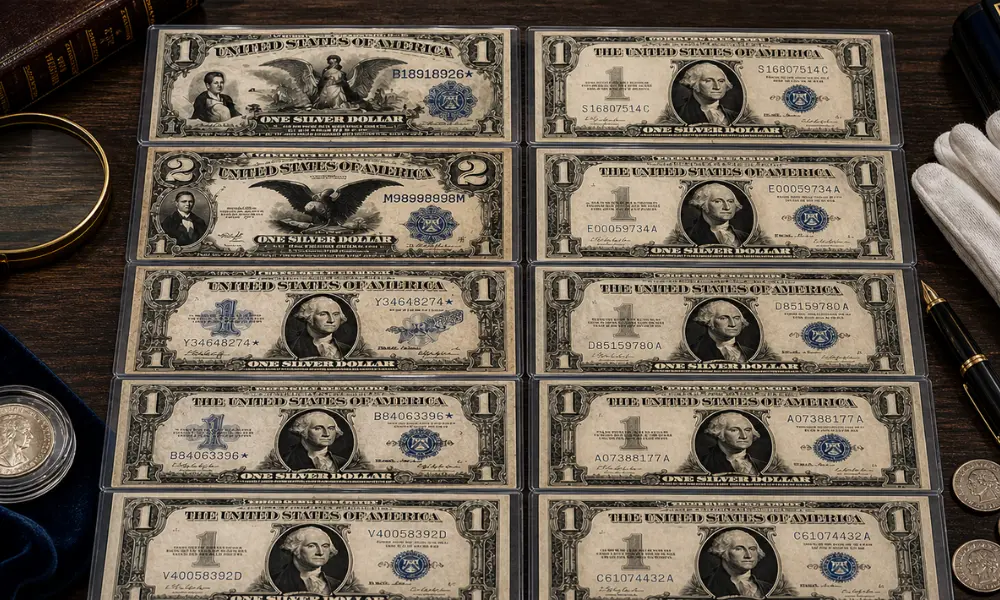
Silver certificates are an interesting aspect of the history of U.S. currency, and to both collectors and sellers, they can be worth a lot more than the face value. Knowing the silver certificate value and the factors that affect the silver certificate dollar bill value can assist you in discovering the opportunities that were hidden in your collection or tucked away in the drawers.
Whether you are an experienced collector or someone who recently discovered old currency, the difference between knowing which notes you can sell and the reasons why can be a significant one. Businesses like Eagle Coins Gold and Silver Buying focus on assessing and buying collectable notes, coins, and precious metals, and assist people in converting historical notes into actual financial resources.
What Are Silver Certificates?
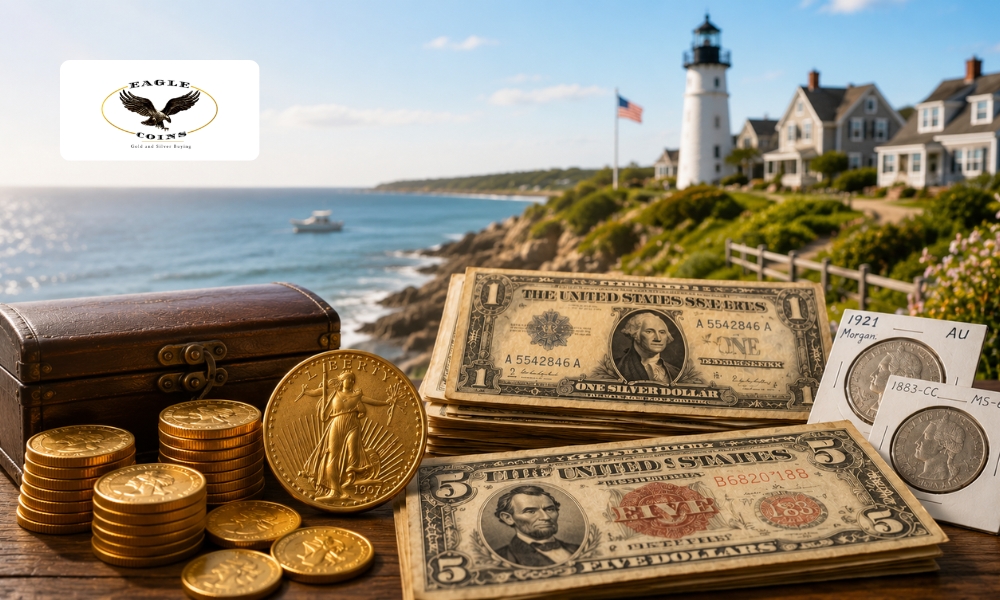
Between 1878 and 1964 in the United States, silver certificates were issued, and they could once be exchanged for real silver. Although they cannot be redeemed with silver any longer, they are much sought after as they are related to the history of their time and have limited availability.
The silver certificate dollar bill value is based on several elements, such as the rarity, condition, year of printing, and other special features like signatures or even printing variations.
Factors That Influence Silver Certificate Value
It is important to understand how to determine the silver certificate value before diving into the top notes:
- Age and Series Year: The older notes are generally more valuable
- Condition: Notes that are crisp and uncirculated command higher prices
- Rarity: Limited print runs increase demand
- Signatures and Variations: Certain combinations are more collectible
- Star Notes or Errors: Unique features can significantly add value
Even ordinary notes may be worth more than their face value when they are in very good condition.
Top 10 Silver Certificate Notes Worth Selling
The following are ten silver certificate notes that are often sought by collectors and may have a high resale value:
1896 $1 Educational Series Silver Certificate
This note is artistic in design and is highly collectible, as well as commanding a premium price because of its historical and visual value.
1899 $1 Black Eagle Silver Certificate
This note has a bold eagle design, making it one of the most recognizable and popular certificates.
1928 $1 Silver Certificate
Being one of the first small-sized notes, this series also has high collector demand, particularly when it is in uncirculated condition.
1934 $1 Silver Certificate (Blue Seal)
A common but valuable note based on condition and signature combinations.
1935 $1 Silver Certificate
Widely circulated but still collectible, especially star notes and well-preserved examples.
1935A “Hawaii” Overprint Note
This note was issued during World War II, and it features a special overprint, which makes it very desirable.
1935A “North Africa” Yellow Seal Note
Yet another wartime issue, which has a yellow seal and which is much sought after by the collector.
1957 $1 Silver Certificate
Being one of the final series to be issued, they are more prevalent, however, with potential value if in good condition.
Star Note Silver Certificates
Any series with a star in the serial number is rare and is usually more valuable than ordinary notes.
Error Notes and Misprints
Any printing mistake, including an off-center seal or ink problems, can make a note worth a lot of money.
Why Condition Matters So Much
Condition is a key factor to consider when determining the silver certificate dollar bill value. An uncirculated note will be worth several times more than a folded, stained, or torn note.
Some standards of grading commonly used by collectors include:
- Poor to Fair
- Good
- Very Fine
- Extremely Fine
- Uncirculated
The closer a note is to being out of circulation, the better its market value.
Services Offered by Eagle Coins Gold and Silver Buying
If you own silver certificates and want to determine their worth, working with professionals is the best approach. Eagle Coins Gold and Silver Buying provides comprehensive services that will assist sellers in making informed decisions.
Their services include:
- Appraisal and purchase of silver certificates and paper currency
- Buying gold and silver bullion
- Coin evaluations, such as collectible and rare coins
- Jewelry and precious metal assessments
We deal with a great variety of products, such as U.S. coins, bullion, and collectible currency. We have the experience of evaluating both historical and modern assets, which makes us accurate in evaluations.
Understanding the Role of Precious Metals and Coin Brands
Collectors usually search for related assets, like gold and silver products, along with paper money. Common products are bullion bars and coins, and such collectible coins from recognized mints.
These may include:
- U.S. Mint coins
- Silver bullion rounds and bars
- Gold coins and investment-grade metals
The value of these items often complements the worth of collectible currency; therefore, they can be a valuable addition to a diversified collection.
When Is the Right Time to Sell?
Timing can also be of significance in maximizing your payoff. The silver certificate value is affected by the market demand, economic conditions, and the collector trends.
It may be a good time to sell if:
- There is a high demand for collectible currency.
- You have well-preserved or old notes in good condition.
- You want to liquidate assets for limited value
Professional consultations are important as they will make sure that you are selling at the right time for the right price.
Tips for Sellers
If you’re considering selling your silver certificates, keep these tips in mind:
- Take care of the notes to avoid damage
- Store them in protective sleeves
- Avoid cleaning or altering the notes
- Research basic value indicators
- Seek professional appraisal
These measures may help in maintaining and maximizing the value of your collection.
Final Thoughts
Silver certificates are more than just old currency; they are pieces of history with real financial potential. By learning the silver certificate value and identifying factors that affect the silver certificate dollar bill value, you can be confident in making informed decisions on whether to buy, sell, or hold on to such special notes.
FAQs
What determines the silver certificate value?
Silver certificate value depends on factors like age, rarity, condition, and unique features such as star notes or special signatures.
Are all silver certificates valuable?
Not all are highly valuable, but even common notes can be worth more than face value, especially if they are in excellent condition.
How do I check my silver certificate dollar bill value?
You can examine the series year, condition, and any unique markings, but a professional appraisal gives the most accurate value.
Where can I sell silver certificate notes?
You can sell them to trusted buyers who specialize in currency and precious metals, such as Eagle Coins Gold and Silver Buying.
Do older silver certificates always have a higher value?
Older notes are often more valuable, but rarity, condition, and demand also play a major role in determining their worth.

 +1 508-252-8888