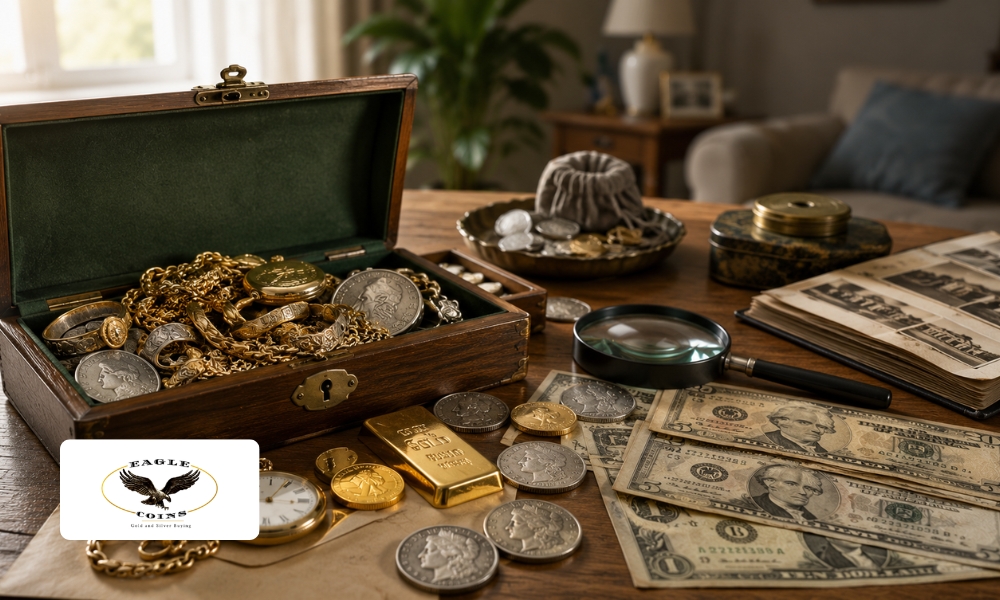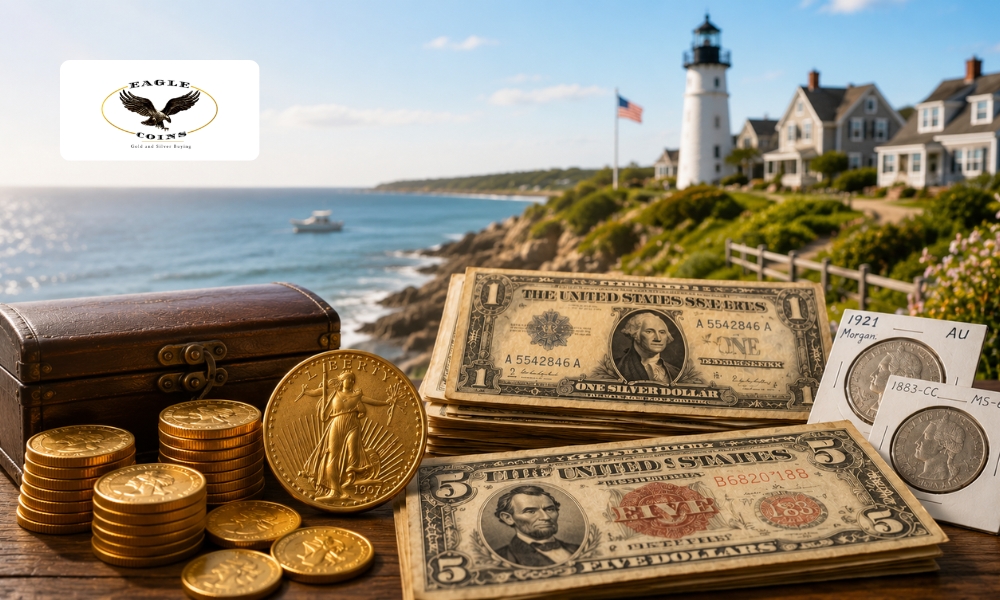


Old paper money isn’t merely evaluated based on its face value; it also carries history, rarity, and collector demand. Whether you have discovered a piece lying in some drawer or it has been passed down through generations, to truly understand what makes valuable old currency worth what it is, you need professional input. An appraiser will be able to better study various technical and market-driven factors that influence the value of your paper currency. Not every note is highly valuable, but when assessed correctly, you can know the actual value of your possession.
The Currency Value Foundation
Old paper money is valued on the basis of scarcity, condition, demand, and other unusual characteristics. Sellers and buyers evaluate every note individually, frequently based on grading systems and past historical records. Although age can be a contributing factor, it is hardly the determining element. Rather, the originality and conservation of the note have much more significance.
Limited Availability and Rarity
One of the most powerful forces that are behind the worth of valuable old currency is rarity. Notes that have been issued in small numbers or taken out of circulation early are likely to be of interest. Some series were even cancelled by political or economic reforms or printing mistakes, and so, surviving notes are particularly valuable.
There can be some variations that are rarer than others, even within a single series. Even a minor change in design, printing batch, or year of issue can greatly influence the scarcity of a note in the collector market. Due to this fact, the notion of rarity is frequently measured together with historical records and production data.
Condition and Grading Standards
Condition is a very important factor in value determination. A well-preserved note will always fetch a better price than a highly worn note. Professional grading systems classify notes on the basis of physical condition, from uncirculated to very worn.
The paper of an uncirculated note is generally crisp, its corners sharp, and there is no trace of folds. When notes go through circulation, they become creased, discolored, and worn at the edges. The small imperfections may diminish the value, particularly in the case of collectors who want a close-to-perfect specimen. This is why it is necessary to store and handle the old currency properly to preserve its value.
Historical History and Collector Interest
Money in the form of paper usually echoes the economic and political conditions of the same period. The notes issued in times of war, economic transition, or a transition in government are more likely to be appealing. Not only is the design appealing to the collectors, but also the story behind the currency.
As an illustration, there are notes that came into existence when an unstable regime or a transitional government existed and were issued; these notes can be of particular importance since they can be taken as a moment in history. Both numismatists and history lovers seek such notes, which makes them even more valuable in the market.
Unique Identifiers That Add Value
There are features that may put a note in the spotlight even in the same series. One of such factors is serial numbers. Serial numbers that are low, repeating patterns, or sequence numbers are extremely collectible due to their rarity and visual attractiveness.
The value of printing errors is also a great contributing factor. Such mistakes can be misaligned prints, missing elements, or inverted designs. Most of these errors are normally discovered in the production process; hence, only a few error notes end up in circulation, and thus they command a very high demand.
The availability of replacement notes is another vital detail that is usually accompanied by a star symbol. Printing of these notes was to replace faulty ones, and they are usually printed in very limited numbers, making them more sought after by collectors.
The Misconception About Age
One of the general beliefs is that the older the paper money, the more valuable it is. As a matter of fact, the age does not make a difference. Several of the older notes, printed in large numbers, are fairly common at present. Consequently, they might be a little more than skin deep. On the other hand, newer notes may be more valuable, perhaps because they are of limited issue or include distinctive characteristics. It emphasizes the fact that when analyzing a note, one should take into account all its characteristics and not only its age.
Fluctuations in the Demand and Price
Demand is also another factor that determines the worth of valuable old currency. Collector value is subject to change with time, and the value of a note at a particular time will be influenced. The nature of economic conditions, the trend of auctions, and the activity of global collectors are factors that contribute to the formation of prices.
To obtain the accurate value, professional appraisals are frequently required. Grading, rarity, and prevailing current market trends are some of the factors that dealers and other experts take into account when they give a price. Comparing the offers of various buyers can also aid in making sure that you do not get a bad deal.
Long-Term Value and Preservation
To preserve the value of the old paper money, it is important to maintain the condition of the money. Moisture, sunlight, or improper handling may cause damage permanently. Deterioration can be prevented by the use of protective sleeves and keeping the notes in a controlled environment.
Handling should be kept to a minimum, especially for high-value notes. The paper may be influenced by even natural oils on the skin in the long run. To preserve the long run and avoid direct contact, collectors usually use gloves.
When to Sell Old Currency
Deciding the right time to sell your currency differs from person to person since it is based on both the market conditions as well as one’s personal goals. In case, at a given time, the demand for a specific currency is higher in the market, that would be the right time to sell it. However, it is also important to know that rare notes will generally appreciate with time, so it is better to hold onto them until you feel the need to sell them.
It is advisable that you take the time to research the current market prices and professional inputs from a professional appraiser before you go out to sell your paper notes. When you know what the actual market worth of your valuable old currency is, it can prevent undervaluation and allow you to enjoy a more rewarding transaction.
FAQs
How do I know if my old paper money is valuable?
You should examine its rarity, condition, serial number, and historical significance. A professional appraisal can provide the most accurate valuation.
Are all old currency notes valuable?
No, many old notes are common and hold little value beyond their face amount. Rarity and condition are more important than age.
What makes serial numbers important in currency value?
Unique serial numbers, such as repeating or low digits, are rare and often attract collectors, increasing the note’s value.
Can damaged paper money still be valuable?
It can still have value, especially if it is rare, but damage generally reduces its overall worth.
Is it better to sell old currency now or later?
It depends on market demand and the rarity of the note. Rare currency may increase in value over time, while common notes may not.

 +1 508-252-8888