Is Sterling Silver Real? Composition, Value, Identification, & Care

Quick answer: Yes, sterling silver is real silver; it’s an alloy of 92.5% pure silver and 7.5% other metals, usually copper, added for durability. Pure silver (99.9%) is too soft for everyday jewelry and flatware, which is exactly why sterling exists. It’s not fake or “less than” silver; it’s the practical, wearable form of it.

How to Check if Your Silver Is Genuine

TestWhat to Look ForWhat It Tells You
Hallmark checkStamps reading “925,” “Sterling,” or “STER”Indicates the maker intended it as genuine sterling silver
Magnet testHold a strong magnet near the pieceReal silver is not magnetic. If it sticks firmly, it’s likely not solid silver
Tarnish checkLook for a dull grey-black tarnish over timeSterling silver tarnishes naturally; silver-plated items often show flaking or wear-through instead
Weight and feelCompare to a known silver item of similar sizeSilver-plated base metals often feel lighter or different in hand
Professional test (acid/XRF)Have a dealer test itThe only fully reliable way to confirm purity

Many consumers encounter and even buy sterling silver in the form of jewelry, flatware, collectible items, and decorative pieces, but they do not know that is sterling silver real or simply an alloy that looks like silver. The answer is yes, sterling silver is real silver, just not pure. This metal alloy is made for its properties, balancing beauty, durability, and affordability, which makes it a widely popular option for making jewelry and luxury goods. Knowing its composition, value factors, and identification methods will help you make a confident decision when making your next purchase.


What Sterling Silver Is Made Of?

Is sterling silver real? Yes, it is, especially if you look at its composition. It comprises 92.5% of pure silver and 7.5% of additional metals, primarily copper. Silver in its purest form is labeled as fine silver, containing 99.9% of silver. In this form, it is very soft and malleable, making it unsuitable for items of daily use, as they cannot withstand wear. When made into an alloy with copper or other metals, they enhance its structural integrity without affecting its visual appeal.

The most commonly used silver purity designations include:

  • 999 (Fine Silver): 99.9% silver
  • 925 (Sterling Silver): 92.5% silver
  • 800 Silver: 80% silver (used historically in flatware)

The 925 hallmark is considered the global industry standard for sterling silver jewelry, indicative of its authenticity and purity.


Why Sterling Silver Exists?

Historically, silver has been in demand for coinage, tableware, and jewelry. This is what drove the need to create alloys that balance a higher content of precious metals with durability and hardness. Using pure silver isn’t possible, as it will bend easily, wear down faster, and scratch. The composition of sterling silver increases the tensile strength, which makes it more suitable for making rings, bracelets, utensils, and objects of frequent use. Further, the alloy offers a bright luster and resistance to corrosion, which further increases its popularity.


How Sterling Silver Differs from Pure Silver and Silver-Plated Items?

Sterling silver is often confused with fine silver and silver-plated items. To clarify this, here is a clear definition of whether or not is sterling silver real, with a comparison to the two other types.

  1. Sterling vs. Fine Silver

    Fine silver has almost no amount of other metals, which makes it too soft for everyday jewelry. However, sterling silver has a comparable shine with higher durability.

  2. Sterling vs. Silver-Plated

    Silver-plated items are made from a different base metal; it could be brass, nickel, or stainless steel, and then coated with a thin layer of silver. With constant use, the surface wears out, and the base metal becomes visible. However, sterling silver does not use plating; rather, it is solid throughout, and it retains the value of a precious metal. Regular wear will not make the luster or the silver appearance go away.

Sterling silver contains pure silver in a substantial quantity with a very small amount of additional metals. This is the major reason why it is considered a genuine precious metal and not just an imitation or plating.


How to Verify Sterling Silver Authenticity?

Now that we know that sterling silver is real silver, how do we verify if what is being sold to us as sterling silver is actually sterling silver? There are a few reliable tests through which you can determine whether or not a piece is authentic.

1. Hallmarks and Stamps

Ideally, legitimate products would come with a stamp, a number, a code, or a word marking their purity:

  • 925
  • Sterling
  • Sterling Silver
  • .925
  • 92.5

Some countries may also use assay marks, maker’s marks, or date codes.

2. Magnet Test

Silver is not magnetic, while some other metals, like iron, if plated with silver, will be magnetic. If the piece sticks strongly with a magnet, then it is likely not silver.

3. Tarnish Behavior

Sterling silver does tarnish if exposed to sulfur compounds and forms a dark silver sulfide layer. However, if your piece is silver-plated, it would reveal a yellow or brass-colored base metal in the areas that are worn.

4. Nitric Acid Testing

Some professionals may use nitric acid to test the authenticity of silver. Sterling silver will react differently from silver-plated metals. However, ensure that you do not try this on your own; this should only be done by experts who have an understanding of safety concerns.

5. Weight and Sound

Silver comes in a specific density and acoustic profile. This can be identified only by experienced jewelers from its weight and resonance in scratch and ring tests.

These techniques collectively will answer your question, “Is sterling silver real?” by effectively differentiating it from both plated and imitation products.


Value and Applications of Sterling Silver

Although silver isn’t as expensive or valuable as gold or platinum, it still has a considerable material value because it contains high amounts of real silver. The pricing of this alloy is based on the following factors:

  • Spot price of silver
  • Craftsmanship or brand
  • Condition and rarity
  • Presence of gemstones

Sterling silver is used in:

  • Fine jewelry (rings, chains, earrings, bracelets, pendants)
  • Cutlery and flatware
  • Coins and bullion rounds
  • Musical instruments
  • Luxury accessories (pens, belt buckles)
  • Decorative objects and frames

Often, investors will purchase sterling silver bullion at times when the prices of silver are rising, even though in such cases, pure silver/fine silver is more valued for financial-grade storage.


Care and Maintenance Requirements

Sterling silver tarnishes more readily than fine silver because it contains copper. However, this in no way indicates that there is any fake metal. Rather, it is indicative of the presence of a reactive copper alloy. Maintaining it can be a little difficult, but with proper care, you can extend its longevity and preserve the lustrous silver appearance.

Recommended practices include:

  • Storing pieces in airtight bags or anti-tarnish cloth
  • Avoiding exposure to household chemicals and rubber
  • Polishing with appropriate silver cloths or solutions
  • Washing flatware promptly after acidic foods

You can also use ultrasonic cleaners, anti-tarnish strips, and mild polishing compounds. These will help in maintaining the luster without removing excessive silver present on the surface.


READ MORE: How to Clean Silver at Home? Practical Methods and Care Tips


Conclusion

So, is sterling silver real? Finally, to answer you, it is, but it is an alloy component that contains a slightly lower amount of pure silver than is present in fine silver. However, this alloy enhances the durability of the metal. It still remains a valuable and versatile precious metal class that has been incorporated into art, currency, luxury goods, and items of personal adornment through the centuries. Even now, its durability, workability, and shine continue to keep its place in the modern jewelry and decorative industry.

FAQs

Is sterling silver real silver?

Yes. Sterling silver is a 92.5% pure silver alloyed with 7.5% other metal, almost always copper, for added strength. It’s a genuine, internationally recognized silver standard, not a substitute or fake.

How can I tell if my sterling silver is genuine?

Check for a “925,” “Sterling,” or “STER” hallmark, test with a magnet (real silver won’t stick), and look for natural tarnish over time rather than flaking. For certainty, a professional dealer can confirm purity with proper testing equipment.

What is sterling silver actually made of?

It’s 92.5% pure silver combined with 7.5% other metal, typically copper. The copper adds hardness and durability that pure silver lacks on its own, while keeping the piece recognized as genuine sterling silver under international standards.
How to Clean Silver at Home? Practical Methods and Care Tips

Whether jewelry, flatware, coins, or decorative objects, silver has always had an enduring appeal, all thanks to its unique properties of conductivity, luster, and workability. However, with time and constant exposure to sulfur compounds in air, skin oils, and household chemicals, most silver items tarnish. This isn’t the rust found in iron, but rather a layer of silver sulfide that forms on the surface to dull the shine of silver. This can reduce the appeal of your items, but thankfully, this layer can be cleaned. Knowing how to clean silver at home also involves matching the cleaning approach to the composition of the object, its age, and finish, so that you do not damage the product by scratching or over-polishing. 


Why Silver Tarnishes?

Tarnishing of silver is a common process and happens when silver reacts with the hydrogen sulfide present in the environment. The source of it could vary from household gas, wool fabrics, rubber bands, and food items like eggs and onions to pollution and moisture in the air. Where pure silver has a lower rate of reaction, sterling silver, which contains 92.5% of silver and 7.5% of copper, tarnishes faster because the copper present in it reacts with oxygen and sulfur rapidly. 

Cleaning methods used may either remove the silver sulfide mechanically or convert it back to silver using some mild electrochemical reactions.


Preliminary Considerations Before Cleaning

Before we get to understanding how to clean silver at home, and even before you apply any method, it becomes necessary that you inspect the item and note the following properties in order to find the suitable cleaning method. 

  • Is it sterling or plated? If the item is silver-plated, excessive polishing may remove the thin layer of silver.
  • Does it have gemstones? Direct contact of porous stones like turquoise, pearl, or opal with ammonia or ultrasonic solutions may damage them.
  • Is it antique? For antiques, patina can be value-adding, and removing it vigorously may reduce the value and affect its collectability.
  • Is it lacquered? If the pieces are lacquered, solvents can damage the coating. These pieces should only be dusted. 

So what methods should you use for each type of silver object, now that we have understood the issues involved? Let’s study them one by one.


READ MORE: How to Properly Care for Your Heirloom Sterling Silver and Maintain Their Value?


Method 1: Mild Soap and Water Cleaning

If your silver jewelry or decorative items have been lightly tarnished, then cleaning them with a simple solution of soap and water would be sufficient.

Here are the things that you will need.

Materials

  • Warm water
  • Mild dish soap (non-abrasive)
  • Soft microfiber or cotton cloth

Procedure

  • Mix warm water with a few drops of mild soap.
  • Submerge or wipe the silver gently.
  • Rinse with clean water.
  • Dry thoroughly to prevent water spots.

This is a chemically neutral method and safe for most surfaces. 


Method 2: Baking Soda and Water Paste

In case the silver object has moderate tarnish, the best answer or way of how to clean silver at home is using a baking soda paste. This will gently polish out the tarnish without the need for harsh abrasives. 

You will need the following materials for this method. 

Materials

  • Baking soda
  • Water
  • Soft cloth or sponge

Procedure

  • Combine baking soda and water to form a thick paste.
  • Rub gently along the silver’s grain.
  • Rinse thoroughly and dry.

Do not use toothbrushes for this method unless they are ultra-soft. If not, the bristles can scratch the softer alloys and plated layers of silver. 


Method 3: Aluminum Foil Electrochemical Cleaning

This is a recently popularized technique used widely in households. People use commonly available items like aluminum foil, baking soda, and hot water to reverse the tarnish with a redox reaction. This method is suitable for flatware, coins, and chains that do not have stones. 

Scientific Basis

The silver sulfide on the item will transfer sulfur ions to aluminum; this will convert the top layer back to metallic silver without any abrasion.  You will need the following items for this method. 

Materials

  • Aluminum foil
  • Baking soda
  • Boiling water
  • Non-metallic bowl

Procedure

  • Line the bowl with aluminum foil, shiny side up.
  • Place tarnished silver inside.
  • Add boiling water to cover items.
  • Sprinkle baking soda generously.
  • Wait a few minutes as fizzing occurs.
  • Rinse and dry.

This approach is very effective and efficient, but if you have any collectibles or antique items, then preferably avoid cleaning them. This is because the patina gives antiques their unique appearance and value. 

Method 4: Commercial Silver Polish

If you have difficulty removing tarnish, the commercial polishes can be another good option. They are made with mild abrasives and chemicals that quickly remove tarnish and leave a protective film over the item. This will help in preventing any tarnish for some time. 

When to Use

  • For items requiring high-shine finishes
  • When tarnish is heavy
  • For professional presentation pieces

When applying, use a soft cloth and make sure that you are following the manufacturer’s instructions. Make sure that you avoid dipping cleaners for pieces that have stones or intricate designs and archways in settings. 

Method 5: Toothpaste (With Caution)

This is one of the most commonly used methods, and, in fact, the first one that might pop up when you search for ways how to clean silver at home. Although it is a well-known cleaner, make sure that you use it selectively. Toothpaste contains mild abrasives like hydrated silica, which can damage and dull delicate work with repeated use.

Here are some guidelines to consider for better results when cleaning with toothpaste: 

Guidelines

  • Only use non-gel, non-whitening, non-abrasive toothpaste.
  • Test on a small area first.
  • Avoid plated items and antiques.


Preventing Tarnish After Cleaning

Knowing how to clean silver at home can be very beneficial and help you maintain your silver items with everyday use. However, it’s better to ensure ways and methods for preventing the tarnish altogether, as it will not only save your items from abrasives but also reduce your workload.

Here are some storage tips you can use for preventing or slowing down the tarnish process.

Storage Tips

  • Store silver in airtight bags or anti-tarnish cloths.
  • Use silica gel or activated charcoal to absorb humidity.
  • Keep silver separate from rubber, wool, and newspaper to avoid sulfur exposure.

Wear and Use

  • Jewelry benefits from regular wear because skin oils reduce sulfur contact.
  • Flatware should be washed and dried promptly after use.

Protective Coatings

Many jewelers will apply a microscopic layer of polymer film or clear lacquer that protects the silver from direct contact and slows down the oxidation process. This can be a suitable option for most silvers, apart from valuable antique pieces. 


When Professional Cleaning is Better?

Now that we know when and how to clean silver at home, we also know that in certain cases, cleaning on your own can be effort-taking and often requires professional expertise. So, when exactly does cleaning need the efforts of trained specialists instead of home solutions? 

  • Heirlooms and museum-quality antiques
  • Silver with porous or heat-sensitive gemstones
  • Severe corrosion or structural damage
  • Silver-plated items with visible base metal exposure

Professionals have a deeper understanding of metals and their cleaning requirements. They make use of controlled abrasives, ultrasonic tanks, steam cleaners, and inspection tools to offer the best cleaning and restoration while also ensuring that the integrity of these objects is preserved. 


Conclusion

Having a good understanding of how to clean silver at home does not only involve using simple tools available at home, but you should be able to have the knowledge of what you might be dealing with and then use the best method available. For routine maintenance, mild soaps work best, whereas baking soda paste or electrochemical baths are suitable for stubborn tarnishes. Whatever kind of tarnish you might be dealing with, the best solution involves using proper storage and preventive measures that can slow down its discoloration and ensure the silver is visually appealing for years to come.


FAQs

  • How to clean silver at home without damaging it?

    The best way would be to use a mild dish soap with water for light tarnishes. If it is more stubborn, then you can use the aluminum foil and baking soda method. While it reverses the reaction, it also avoids the use of any abrasives. 


  • How to clean silver at home using baking soda?

    You can make a paste of water and baking soda and apply this to your silver item, leave it for a few minutes, and then rinse it off. Make sure that you dry it in the end. If dealing with a deeper tarnish, you can boil silver items without any stones in water with aluminum foil and baking soda.


  • Can vinegar clean silver?

    Absolutely. However, it isn’t a suitable method for silver items with stones or delicate items with plating, as vinegar is acidic and it may damage the stones or the thin plating. 


  • How often should silver be cleaned?

    There is no ideal time; the frequency differs according to exposure and tarnish. For items that are constantly on display, they need to be more frequent, as they will tarnish more quickly. In general, you will benefit from cleaning every few months; it will prevent the development of heavy buildup. 


  • Is toothpaste safe for cleaning silver?

    Only some non-abrasive toothpaste formulas are safe. Avoid whitening or gel varieties because they contain abrasives that may scratch silver surfaces.

Silver to Gold Ratio Explained: How It Has Changed from 1883 to the Present

Quick answer: The gold-silver ratio measures how many ounces of silver it takes to buy one ounce of gold, calculated by dividing gold’s price by silver’s price. It has ranged from about 15:1 in the bimetallic era to as high as 125:1 during the 2020 market crisis, and has typically traded between 60:1 and 90:1 in recent years. A higher ratio generally suggests silver is cheap relative to gold; a lower ratio suggests the opposite.

PeriodApprox. RatioWhat Was Happening
Pre-1900 (bimetallic era)~15–16:1Ratio fixed by law in many countries; roughly matched natural ore abundance
1920s–1970s25–47:1The ratio became more volatile after the world moved away from strict gold backing
1991~100:1Highest level in decades at the time, signaling silver was historically cheap versus gold
2020 (COVID crisis)~125:1All-time high; gold demand spiked while silver was hit by industrial slowdown fears
Recent years60–90:1Typical modern range; investors watch moves toward either edge as a rotation signal

The relationship between gold and silver has been a topic that has enthralled investors, historians, and economists for centuries. A method that has been used widely to understand this relationship is through the silver to gold ratio, a metric that shows the number of ounces of silver needed to buy one ounce of gold. Through the analysis of silver to gold ratio 1883 to present, we can gain valuable insight into market patterns, economic shifts, and the sentiments of investors across generations. 

This guide explains the historical ratio between gold and silver, why it matters, how it has changed since the late 19th century, and how modern investors can use it for interpretation. 


What Is the Silver to Gold Ratio?

The silver to gold ratio is the rate that is used to compare the price of silver to the price of gold. For example, if the price of gold is $2000 per ounce and the price of silver is $25 per ounce, the ratio is 80:1. This means that it takes 80 ounces of silver to match the value of one ounce of gold. 

In the past, the ratio has fluctuated depending on the economic circumstances, industrial demand, monetary policies, and global events. The ratio is a tool that most precious enthusiasts use to determine the relative value between gold and silver. 


Why the Silver to Gold Ratio Matters

A historical ratio between gold and silver may be used to help investors and collectors to make a wise choice. When the ratio is high, it means that silver can be underestimated in relation to gold, and when it is low, it means that silver can be considered quite expensive. 

Other economic factors, which include inflation, currency stability, industrial growth, and market uncertainty, are also reflected in the ratio. The change of the ratio could reflect the changes in the economic priorities since gold traditionally is regarded as the store of value, and silver has its monetary equivalent and industrial use. 


The Silver to Gold Ratio in the Late 1800s (1883–1900)

Moving to the analysis of silver to gold ratio 1883 to present, the late 19th century provides a great starting point. During the process, bimetallic systems or the gold standard were used in most of the countries. This was more consistently stable, and the common ratio was 15:1 and 20:1. 

The government policies played a significant role in maintaining these levels. Both silver and gold were monetary metals, and their relative worth was affected by the law, minting practices, and fixed exchange rates.


Early 20th Century Shifts

The silver to gold ratio began to fluctuate more prominently when the world approached the first half of the 20th Century. The rise in industrialization led to an increase in the demand for silver, and gold remained the main monetary reserve. 

The ratio rose and fell during World War I, the economic boom, and the fluctuation of monetary systems. These changes caused the precious metals to be more influenced by the Great Depression during the 1930s, where the gold prices became more controlled, and the price of silver became more volatile. 


Mid-20th Century: Monetary Changes and Market Influence

The middle of the 20th century marked a turning point in the historical ratio between gold and silver. The use of silver-backed currencies gradually declined in popularity among governments, and gold started occupying a larger portion in the world financial systems. 

Following World War II, the Bretton Woods system pegged gold to the U.S dollar, with the price of silver beginning to be influenced more by industry needs and not monetary policy. This contributed to increased oscillations in the ratio, which usually oscillated between 40:1 and 50:1. 


Late 20th Century Volatility

From the 1970s, the silver to gold ratio became much more volatile. The end of the gold standard in 1971 enabled gold prices to float freely, and the silver market experienced speculation and a surge in prices. 

Both metals saw increased interest during periods of economic uncertainty, but not always to the same degree. The ratio sometimes dropped drastically when the silver prices went up, and then fell sharply on the other side when markets stabilized. 


The Silver to Gold Ratio in the 21st Century

Conducting an analysis of silver to gold ratio 1883 to present, the 21st century has been characterized by extreme highs and lows. All of these have contributed to economic crises, financial market instability, and global uncertainty. 

At times, the ratio has exceeded 80:1 or even higher, representing strong demand for gold as a safe haven and relatively weaker silver prices. Industrial development and the rise in demand for silver at other times have reduced the gap. 


Factors That Influence the Ratio Today

A number of modern factors influence the historical ratio between gold and silver, such as:

  • Economic uncertainty: Gold usually works better during financial instability
  • Industrial demand: Silver is commonly used in electronics, solar panels, and medical applications.
  • Inflation concerns: Both metals are considered hedges, but gold is often prioritized.
  • Investor sentiment: Market perception can drive rapid shifts in pricing. 

These influences make the ratio a dynamic indicator rather than a fixed benchmark. 


How Investors Interpret the Silver to Gold Ratio

The ratio is used by many investors as a comparative tool rather than a prediction method. An all-time high ratio may encourage some to gather silver, while a low ratio may favor gold. 

However, the ratio must always be viewed in the context of the broader market conditions, personal investment goals, and long-term trends. Learning about silver to gold ratio 1883 to present provides historical context, but it does not guarantee future performance. 


FAQs

What is the silver-to-gold ratio right now?

The ratio changes daily along with gold and silver spot prices. In recent years, it has generally traded between 60:1 and 90:1, though it can move outside that range during periods of market stress. Check the current spot prices for gold and silver, then divide gold’s price by silver’s to get today’s exact figure.

How has the silver-to-gold ratio changed historically?

It was fixed around 15:1 to 16:1 for centuries under bimetallic monetary systems, then became far more volatile after the world moved away from the gold standard in the 20th century, reaching as low as 20:1 in 1980 and as high as 125:1 during the 2020 market crisis.

What does a high or low silver-to-gold ratio mean for investors?

A high ratio (historically above 80) has often signaled that silver is relatively cheap compared to gold, while a low ratio (below 40) has signaled the opposite. Some investors use extreme readings as a signal to consider rotating between the two metals, though past patterns don’t guarantee future performance.


Where Can I Sell Silver Jewelry or Coins – Expert Guide That Could Save You Thousands

Quick answer: The best place to sell silver jewelry or coins is a local dealer who prices against the live silver spot rate and explains the math, not just whoever is closest. Local dealers typically pay 90–98% of market value in cash the same day, while pawn shops and mail-in buyers vary more in both price and transparency.

Where to Sell and What to Expect


Where to SellTypical PayoutBest For
Local coin/silver dealer (like Eagle Coins)90–98% of market valueFast, in-person, same-day cash, transparent pricing
Pawn shopVaries widely, often lowerQuick cash, but pricing transparency varies by shop
Online marketplacesUp to full market valueMaximum return, but more effort and shipping risk
Mail-in buyersSet after you ship it inConvenient, but no chance to see or question the evaluation in person


We remember when Martha from Chatham brought us a coffee can filled with what she called “old pocket change” from her father’s dresser. “He saved everything,” she said, clearly embarrassed. “I almost threw this out during the estate cleanout, but something told me to bring it here first.”

Inside were hundreds of dimes, quarters, and half-dollars spanning decades. Most were common dates worth face value. But scattered throughout were forty-seven Mercury dimes from the 1940s that changed everything.

“The coin shop in Hyannis said maybe $200 for the silver content,” Martha explained. “They barely looked at them.”

What that coin shop missed completely: sixteen of those Mercury dimes were from 1942/41 overdates, which is a rare minting error that silver collectors hunt for obsessively. Each one worth $175-200 in average condition. The remaining thirty-one included multiple key dates from 1916-D worth $1,200 each and several Full Bands specimens commanding $300-500 premiums.

Final tally: $8,400.

Martha stared at our itemized breakdown. “Dad always said his coins were special, but we thought he was just being sentimental.”

This discovery reveals something crucial about today’s silver market that most people miss entirely. Finding the right place to sell silver isn’t just about any buyer; it’s about finding buyers who understand that silver’s value extends far beyond its $37/oz spot price.

The 91:1 Gold-Silver Ratio Secret

Right now, the gold-silver ratio sits at approximately 91:1, meaning it takes 91 ounces of silver to buy one ounce of gold. This number should shock you because historically, this ratio averages around 67:1.

So where can I sell silver to capitalize on this? Goldman Sachs projects gold reaching $3,700/oz over the coming cycle. If the ratio returns to its historical average of 67:1, silver would hit $55/oz, representing 52% upside from current levels.

But the real opportunity: when the gold-silver ratio stays above 92 (where we are now), silver delivers a median 1-year return of 57% versus gold’s 6.8%, with silver outperforming gold 93% of the time.

This mathematical relationship creates a timing opportunity. Every day you hold silver while this ratio stays elevated, you’re positioned for potentially explosive gains when it reverts to normal.

The Fifth Consecutive Deficit Nobody Talks About

Silver faces its fifth consecutive year of supply deficits in 2025. The global market shows a projected shortfall of 117-149 million ounces, following a 149 million ounce deficit in 2024.

These aren’t small shortages. The combined deficit from 2021-2024 reached 678 million ounces, equivalent to 10 months of global mine supply. When you’re holding an asset that’s literally disappearing from above-ground stockpiles, choosing where to sell silver becomes about timing the scarcity premium.

Industrial demand hit a record 680.5 million ounces in 2024. But what most sellers don’t realize: this isn’t generic industrial use. Specific applications are creating targeted shortages:

  • Solar panels: Each installation uses 15-20 grams of silver that’s physically destroyed during manufacturing
  • Electric vehicles: Tesla alone consumed 40% more silver in 2025 than 2024
  • 5G networks: Require 38% more silver per base station than 4G infrastructure

This isn’t investment speculation driving prices; it’s physical consumption that cannot be recycled or recovered.

The “Paper vs. Physical” Disconnect

COMEX warehouse inventories have declined 45% since 2020. Meanwhile, silver futures trading continues as if unlimited supply exists. This creates what insiders call the “paper versus physical” premium.

When you own physical silver and know where to sell silver to buyers who understand this disconnect, you can capture premiums that paper silver traders miss entirely.

Real example: American Silver Eagles contain approximately $25-30 worth of silver at current spot prices. Yet they’re selling for $65-85 due to this physical premium. That’s 150-200% above metal value, purely because of supply tightness in the physical market.

Cape Cod’s Hidden Silver Advantage

Answering “Where can I sell Silver” in Cape Cod involves understanding our region’s unique collector base and seasonal dynamics.

The “Sandwich Glass Connection”

Cape Cod’s historical glass industry created generations of families who collected silver to complement their antique glass collections. Today, their descendants are selling inherited pieces, creating a specialized market that values provenance and local history.

We regularly see sterling silver pieces from Cape Cod silversmiths like Frank Smith Silver Company (active 1886-1958) selling for 300-400% above melt value to collectors who understand their historical significance.

The Maritime Premium

Silver pieces with nautical themes (compass rose patterns, anchor motifs, ship designs) command premium prices from Cape Cod buyers that mainland dealers can’t match. A sterling silver compass from the 1940s worth $80 in silver content recently sold for $340 to a Provincetown maritime collector.

The Summer Wealth Effect

Cape Cod’s summer population includes significant old money families who view silver purchases as inflation hedges, not collectibles. They’ll pay cash premiums for immediate ownership that off-season buyers won’t match.

Beyond Traditional Silver Buyers

The best places to sell silver extend far beyond coin shops and precious metals dealers:

Electronics Recycling Centers: Many need silver for circuit board repairs and pay premiums for immediate availability. They often overlook collectible value but pay above-spot for scrap silver.

Custom Jewelry Manufacturers: Local artisans creating high-end pieces need silver wire, sheet, and casting grains. They’ll pay premiums for specific alloys and forms that standard dealers don’t stock.

Antique Restoration Specialists: Cape Cod’s antique restoration industry needs period-appropriate silver for repairs. Victorian-era silver components command significant premiums from specialists who can’t source them elsewhere.

Photography Studios: Though largely digital, some fine art photographers still use silver-based processes. They need specific silver compounds and will pay premiums for immediate delivery.

The “Stair-Step Pattern” Timing Strategy

Silver isn’t climbing smoothly; it’s following what analysts call a “stair-step advancement pattern”. After breaking $35, it consolidated above that level. After reaching $37, it built a new floor there.

This pattern creates specific timing opportunities:

Consolidation phases: When silver trades sideways, collectors become active buyers seeking specific dates and conditions
Breakout periods: Industrial buyers compete aggressively for immediate supply
Weekend premiums: Industrial production schedules create higher weekend pricing for physical silver

Right now, we’re in a consolidation phase around $37-38, suggesting the next move could target $40 quickly. But once silver breaks $50 (its 1980 and 2011 high), no historical resistance exists above that level.

The Massachusetts Legal Timing Advantage

Massachusetts requires silver buyers to hold items 5-10 days before resale. This creates a unique arbitrage opportunity: sell Friday afternoon to lock in weekend pricing while the hold period runs through typically lower Monday markets.

Unlike other states with different hold requirements, Massachusetts silver sellers can time their transactions to capture weekend premiums while avoiding Monday market dips.

Finding Buyers Who Understand Silver’s Complexity

Successful silver selling requires matching your specific silver to the right buyer category:

For coins with collectible premiums: Seek certified coin dealers who understand key dates, mint marks, and condition grades. They’ll recognize that your 1916-D Mercury dime isn’t just 90% silver worth $2.50; it’s a key date worth $1,200+.

For sterling silver pieces: Target antique dealers and silver specialists who understand maker’s marks, historical periods, and regional preferences. Your Tiffany & Co. spoon isn’t just silver; it’s a brand premium worth 300-500% above metal value.

For industrial-grade silver: Electronics recyclers and manufacturers often pay above-spot for immediate availability. They need silver for production, not speculation.

For large quantities: Precious metals dealers handle volume transactions with professional testing and immediate settlement. They understand market timing and can offer institutional pricing.

Ready to Unlock Your Silver’s Hidden Value?

Next time you’re wondering ”Where can I sell silver?”, don’t repeat Martha’s near-mistake with her Mercury dimes. But where can I sell silver for maximum value? At Eagle Coins Gold and Silver Buying, our specialists understand both silver’s industrial demand dynamics and its collectible premiums that generic buyers miss completely.

FAQs

Where’s the best place to sell silver jewelry?

A local dealer who tests purity, weighs on the spot, and prices against the live silver rate gives you both a fair number and the chance to ask questions before you decide, unlike shipping items to an unseen mail-in buyer.

Who buys silver coins near me?

Local coin and precious metal dealers are typically the best option, since they specialize in accurately assessing purity and collectible value, which a general pawn shop might miss. Look for a dealer who explains their pricing rather than just naming a number.

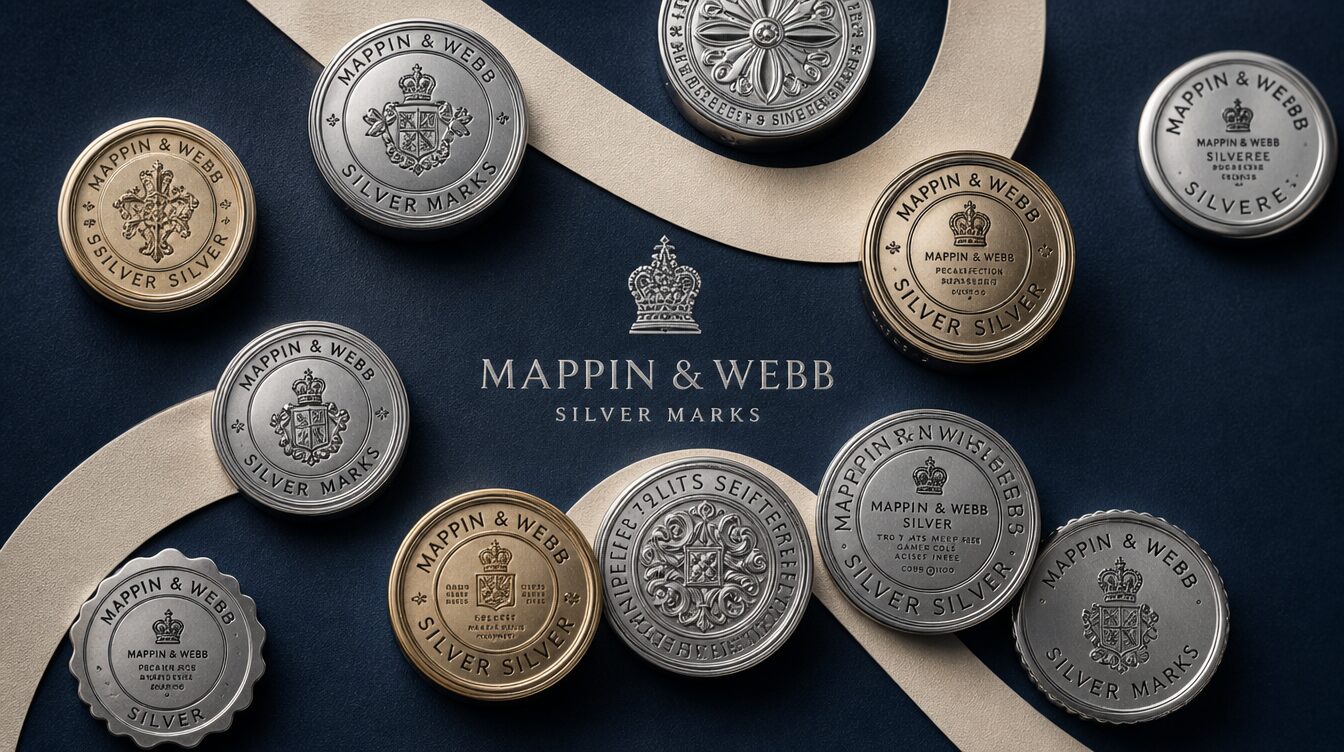
Your Guide to Mappin and Webb Silver Marks – Are They Valuable?

That sleek silver cocktail shaker at the antique market. The ornate tea set appeared in a forgotten corner of the estate auction. The elegant flatware set with the mysterious stamps on the back that you can’t quite read. Silver pieces with Mappin and Webb silver marks have a way of captivating collectors and casual buyers alike, but most folks have no idea what they’re actually worth.

Shows like Antiques Roadshow and Pawn Stars in today’s thriving vintage and antiques market have turned everyday people into amateur appraisers, and understanding the significance of maker’s marks has never been more relevant. This guide cuts through the noise around Mappin and Webb silver marks and helps you figure out whether that piece is a genuine treasure or just a pretty conversation starter.

Legacy Behind the Mark: Mappin & Webb’s Historical Significance 

The weight of history gives Mappin and Webb silver marks their prestige. The company, founded in 1775 in Sheffield England, sort of came into view alongside Britain industrial revolution with the rise of the middle class. What began as a small workshop grew into one of the most respected silversmithing houses in Europe, eventually securing Royal Warrants from the British monarchy itself. 

This history matters when you are evaluating a silver piece. A Mappin & Webb item isnt only silverware, it is a tangible link to a time when skilled workmanship was the definition of luxury and social standing. The company supplied silver to ocean liners (including the Titanic), furnished royal palaces, and created diplomatic gifts that got exchanged between world leaders, like quietly obvious symbols of rank. 

This heritage explains why collectors hunt specifically for Mappin and Webb silver marks when building their collections. Very few silversmiths can claim nearly 250 years of consistent prestige.

Reading the Hallmarks: Decoding Mappin and Webb Silver Marks

Silver hallmarks function as a sophisticated identification system, and Mappin and Webb silver marks follow certain patterns that reveal crucial information about the item. Once you get used to that visual language, the whole evaluation process feels different, more clear, almost immediate.

The Primary Maker’s Mark

The foundation of identification begins with these variations:

  • “M&W” – the standard mark used throughout much of their history
  • “M&W Ltd” – used after 1889, when the company became a limited liability corporation
  • “Mappin & Webb” – the full name, usually on specialty or higher-end pieces
  • “Mappin Bros” – the earliest mark, from 1810 to 1860, before the Webb family joined the partnership

Purity Standard Marks

British silver has strict purity requirements, indicated by specific symbols:

  • Lion Passant (walking lion) – The 925 sterling standard (92.5% silver)
  • Britannia figure – The higher 958 standard (95.8% silver), rarer and typically more valuable

Date Letters

The British hallmarking system includes a letter representing the year of production. The design of the letter’s shield changes roughly every 20 years. So a lowercase “e” in one shield shape might mean 1860, while the same letter in a different shield could mean 1905. Context matters.

City Assay Marks

Different British cities had authorized assay offices, each with a unique symbol:

  • Crown – Sheffield (Mappin & Webb’s original location)
  • Anchor – Birmingham
  • Leopard’s Head – London

Other Marks You Might See

  • Duty marks (a sovereign’s head) appeared during tax periods from 1784 to 1890
  • Pattern numbers specific to Mappin & Webb designs
  • Special commemorative marks for royal events
MarkWhat It MeansApprox. Date Range
“Mappin Bros”Earliest maker’s mark, before the Webb family partnership1810–1860
“M&W”Standard maker’s mark used throughout most of the company’s history1860s onward
“M&W Ltd”Used after the company was incorporated as a limited company1889 onward
“Mappin & Webb” (full name)Full name spelled out; typically specialty or higher-end piecesMostly 1900s onward
Lion Passant (walking lion)Sterling silver — 92.5% pureStandard UK sterling mark, used throughout
Britannia figureHigher-purity standard — 95.8% silver, rarer than sterlingUsed periodically alongside the lion passant standard
CrownSheffield assay office (Mappin & Webb’s original city)Used until 1975; Sheffield’s office mark changed after that
AnchorBirmingham assay officeOngoing
Leopard’s HeadLondon assay officeOngoing
Sovereign’s headDuty mark, confirming tax was paid1784–1890
“EPNS” or “EP”Electroplated — silver plate, not sterling. Value is typically 5–15% of a comparable sterling pieceUsed broadly on plated goods

Which Marks Are Actually Worth Money?

Not every Mappin and Webb mark carries equal value. Certain combinations signal real value to collectors who know what to look for.

Pre-1860 Pieces

The earliest “Mappin Bros” marks represent the company’s formative period before the Webb family partnership really got going. These rare silver marks usually appear on Georgian and early Victorian pieces, and they still get chased pretty hard by serious collectors. Their scarcity and historical significance can multiply the base value several times over, sometimes a lot, depending on the exact piece.

Special Commissions

Throughout their history, Mappin & Webb created bespoke pieces for institutional and significant clients. These special commissions often carry unique pattern numbers or additional marks showing where they came from:

  • Royal household commissions (identified by specific pattern numbers)
  • Military mess hall silver (may include regimental marks)
  • Commissioned pieces for luxury ocean liners
  • Diplomatic presentation silver

Export Market Variations

During the height of the British Empire, Mappin & Webb produced modified silver for different international markets. These pieces have altered hallmarking:

  • Australian market silver (often carries additional local marks)
  • Colonial Indian silver (sometimes includes Raj-era symbols)
  • South American export silver (especially Argentina and Brazil)

These export variations with their unique Mappin and Webb silver marks attract collectors in those specific regions, and prices can run higher in those markets than elsewhere.

Wondering if your piece is one of the rare ones? If you have got Mappin & Webb marks you cannot quite place, do not guess. Bring it to our Harwich Port shop for a free, no-obligation appraisal. We will identify the marks, test the silver, and tell you exactly what it is worth. Get a free silver appraisal → 

The Silver Plate Question: Managing Expectations

The most common disappointment when evaluating Mappin & Webb pieces comes from mixing up sterling silver with silver plate. The company produces exceptional work in both categories, but the value gap is massive.

Sterling vs. Plate Identification

Sterling silver (92.5% pure silver) will always include the lion passant mark alongside Mappin and Webb silver marks. No lion passant? You are almost certainly looking at silver plate.

Silver-plated pieces usually carry one of these labels:

  • “EPNS” (Electroplated Nickel Silver)
  • “EP” (Electroplated)
  • “A1” (their highest quality plate grade)

Quality silver plate looks just as good as sterling in terms of design. But the value typically runs 5 to 15 percent of what a comparable sterling piece would fetch. That gap makes accurate identification critical before you start counting your money.

What Factors Actually Drive Market Value 

While Mappin and Webb silver marks give you authentication, multiple factors influence actual market value:

Form and Function

Some shapes  consistently command higher prices:

  • Complete tea and coffee services: $2,000 to $8,000 for sterling sets
  • Large serving trays and centerpieces: $800 to $3,000, depending on size and age
  • Candelabras and substantial decorative pieces: $1,000 to $5,000
  • Complete flatware services for twelve: $1,500 to $6,000

Individual spoons, small dishes, and common items like napkin rings usually bring modest returns unless they are exceptionally rare or carry historical significance.

Design Period

The period aesthetic significantly impacts collector interest:

  • Georgian and early Victorian (1775 to 1860): Highest premium for authentic pieces
  • Late Victorian (1860 to 1900): Strong value, especially ornate designs
  • Art Nouveau and Art Deco (1900 to 1940): Renewed collector interest, especially for clean-lined modern designs
  • Mid-century (1940 to 1970): Generally lower values, except for specific collaborations
  • Contemporary: Primarily retail value only

Condition

Even rare silver marks cannot save a damaged piece:

  • Dents and deep scratches significantly reduce value
  • Poor quality repairs can diminish 40 to 70 percent of the price
  • Monograms and engraving usually reduce value by 15 to 30 percent (unless historically significant)
  • Mismatched pieces sets drastically reduce the premium set 

Provenance and Documentation

Authenticated history adds substantial value:

  • Original fitted boxes can add value of up to 20 to 40 percent
  • Original purchase receipts help confirm dating
  • Documented ownership by notable figures can multiply standard values

The Professional Evaluation Advantage

While this guide provides a foundation for understanding Mappin and Webb silver marks, professional evaluation remains the gold standard for accurate valuation. Expert appraisers like the team at Eagle Coins Gold and Silver Buying bring specialized knowledge:

  • Comprehensive hallmark databases that go deeper than standard guides
  • Hands-on experience with thousands of comparative pieces
  • Real-time knowledge of what the market is actually doing
  • Authentication skills for spotting fakes or alterations

You want a professional evaluation when:

  • You need insurance documentation
  • An estate is being divided, and objective numbers matter
  • You suspect a piece might be museum-quality
  • A significant financial decision rides on getting the number right

Investment Angle: Collectible vs. Commodity

Mappin & Webb silver occupies an interesting position in today’s market, simultaneously valuable for its silver content and its collectible status. This dual nature requires strategic thinking when purchasing or selling.

Silver Content Value

Silver is a commodity. At current prices, sterling silver (92.5% pure) is worth approximately $0.70–0.90 per gram as raw material. A typical Mappin & Webb sterling teapot might hold 500 to 800 grams of silver, giving it a floor “melt value” of $350 to $720.

But melting a quality piece is almost always a mistake. Except for damaged or extremely common items, Mappin & Webb pieces sell well above their raw metal value.

The Collectible Premium

The collectible premium for Mappin and Webb silver marks varies dramatically:

  • Common 20th-century patterns: 1.5 to 2 times silver value
  • Victorian ornate designs: 3 to 5 times silver value
  • Rare early patterns: 5 to 10 times silver value
  • Museum-quality pieces: 10 to 20 times silver value, sometimes more

That premium gap is why serious collectors focus on rare marks and exceptional pieces rather than ordinary examples.

Authentication Challenges: Reproductions and Alterations

The prestige associated with Mappin and Webb silver marks has inevitably led to reproduction and falsification. Awareness of common authentication issues provides essential protection:

Common Red Flags

  • Inconsistent hallmark sizing or alignment
  • Hallmarks showing different wear patterns than the piece itself
  • Maker’s marks without corresponding assay marks
  • Assay office marks from cities that don’t match the time period
  • Modern construction methods on supposedly antique pieces

Reputable Verification

When significant value is at stake, professional verification becomes essential. Expert authentication considers factors beyond visual inspection:

  • Metal composition testing
  • Ultraviolet examination for modern solder or repairs
  • Microscopic hallmark analysis
  • Pattern registration verification against company records

Making Smart Decisions About Your Silver

Whether you are buying at auction or sorting through an inherited collection, a methodical approach pays off:

  1. Document everything. Photograph all Mappin and Webb silver marks along with the full piece from multiple angles.
  2. Do your homework. Compare what you see to established reference guides.
  3. Get expert confirmation for anything that looks potentially valuable.
  4. Value Consideration. Weigh sentimental value against potential financial return honestly.
  5. Plan for the long term. Consider insurance, proper storage, and what happens to the piece down the road.

For those holding potentially valuable Mappin & Webb silver, professional evaluation provides clarity and options. The specialists at Eagle Coins Gold and Silver Buying offer confidential assessments without obligation, right here in Harwich Port and serving all of Cape Cod, helping owners understand both the historical significance and market potential of their silver treasures. Stop by or get in touch to have your piece evaluated.

Mappin & Webb Silver Marks: Common Questions

How do I identify Mappin and Webb silver marks?

Look for a maker’s mark reading “M&W,” “M&W Ltd,” “Mappin & Webb,” or “Mappin Bros,” usually alongside a purity mark (a lion passant for sterling) and a city assay mark (a crown, anchor, or leopard’s head). See the quick-reference table above for the meaning of each combination.

What are Mappin and Webb hallmarks, and how do I read them?

A full Mappin & Webb hallmark set typically includes four elements: the maker’s mark identifying the company, a purity mark confirming silver content, a city mark showing which assay office tested it, and a date letter indicating the year. Reading them together — not just one mark alone — is what actually tells you what you have.

Is my Mappin and Webb silver worth anything?

Almost certainly — the question is how much. Sterling pieces are worth at least their melt value (roughly $0.70–$0.90 per gram of silver at current prices), and most Mappin & Webb pieces sell well above that for their collectible premium. Early “Mappin Bros” marks, Georgian and Victorian pieces, and rare special commissions can be worth significantly more. A free in-person appraisal is the only way to get an exact number.

How can I tell if my Mappin and Webb piece is sterling or plated?

Check for the lion passant mark. If it’s there alongside the Mappin & Webb maker’s mark, it’s sterling silver (92.5% pure). If you see “EPNS,” “EP,” or “A1” instead — with no lion passant — it’s silver plate, which typically sells for only 5–15% of what a comparable sterling piece would fetch.

How to Properly Care for Your Heirloom Sterling Silver and Maintain Their Value?

 heirloom sterling silver

Heirloom Sterling Silver are more than just objects, they are pieces of history and family stories. Whether it’s an old silver necklace, silver chain, silver bracelet or silver rings that’s been passed down through generations or a rare silver coin you’ve inherited, these treasures hold sentimental and financial value. Over time, silver can tarnish or get damaged if not cared for properly. But with a little bit of TLC, you can keep your heirloom sterling silver looking great and protect their worth. Here’s how to properly care for your silver heirlooms to preserve its beauty and value for years to come.

Why Silver Care Matters?

Taking care of silver isn’t just about keeping it shiny. These heirlooms often hold more than just aesthetic value; they can be worth a lot of money as well. Whether it’s a rare coin or a silver family heirloom, proper care can keep it in excellent condition, making sure it retains its value over time. Plus, silver tends to appreciate in value, especially if it’s kept well. 

What Causes Tarnish?

Tarnish is a natural process that happens when silver reacts with sulfur in the air. While its unavoidable, the good news is that you can slow down the process and keep your silver in better shape for much longer.

Here’s how you can keep them from getting tarnished:

  • Store It Properly: Store your silver in a cool, dry place. Humidity and fluctuating temperatures can speed up tarnishing, so avoid storing it in places like bathrooms or attics. Wrapping your silver in anti tarnish cloth or placing it in tarnish resistant pouches will provide extra protection. You can keep your silver in your jewelry boxes to maintain their shininess.
  • Avoid Chemicals: Perfumes, lotions, and even household cleaners can cause tarnish or discoloration. So, always remove your silver jewelry before applying any of these products.
  • Wear It Regularly: Believe it or not, wearing your silver can actually help protect it from tarnishing. Your skin’s natural oils can form a protective layer on the metal, which helps keep tarnish from forming. Just be sure to clean it after wearing it to keep it in good shape. Or after wearing, clean those if have any water particles so that it should be safe to keep.

How To Clean Heirloom Sterling Silver?

 heirloom sterling silver

Tarnish isn’t the end for your silver pieces. With the right tools and techniques, you can restore your heirlooms to their former glory.

Here’s how to clean them:

  • Use a Polishing Cloth: The easiest way to clean silver is with a soft, lint-free cloth designed for silver cleaning. Gently rub your piece in small circular motions to remove light tarnish. This will help it shine without damaging the surface.
  • Soap and Water: If the tarnish is a little more stubborn, mix mild dish soap with warm water and clean your silver with a soft cloth. Be sure to dry it thoroughly when you’re done.
  • Baking Soda Paste: For more serious tarnish, a simple paste made of baking soda and water can help. Apply it gently to the silver, then rinse it off with warm water and dry it carefully.

It’s best to avoid harsh, abrasive cleaners, as these can scratch or damage the silver.

Storing Your Heirloom Sterling Silver Correctly

How you store your silver is just as important as how you clean it. Here are a few tips:

  • Store Pieces Separately: To avoid scratches, store each piece individually in a soft cloth or box. This helps prevent them from rubbing against other items.
  • Anti Tarnish Bags or Cloths: Using special anti-tarnish bags or cloths is a great way to prevent tarnishing. These materials help absorb moisture and sulfur, two of the main causes of tarnish.
  • Limit Exposure to Light and Air: Silver tends to tarnish more quickly when exposed to air and light, so keeping your pieces stored in a closed box or drawer is a smart move.

When to Seek Professional Help

Sometimes, even the most careful cleaning and storage won’t restore a silver heirloom to its former state. If you notice significant tarnish, deep scratches, or other damage, it may be time to seek professional help.

Here are a few things to consider:

  • Restoration Services: If your silver heirloom has major damage, a professional silversmith can restore it. They can polish it to a high shine, fix any damage, or even re-plate it if needed.
  • Appraisals: If you’re not sure about the value of your silver heirloom, getting it appraised can help. An appraisal gives you a clear idea of the current market value, which can be useful for insurance purposes or deciding whether to sell.

How to Maintain the Value of Your Silver Heirlooms?

 heirloom silver

Caring for your silver heirlooms is an investment in their long-term value. Silver can appreciate in worth, especially when it’s kept in excellent condition. The more you take care of your pieces, the more likely they are to increase in value over time.

Here’s what to focus on:

  • Rarity: It really helps if your silver heirlooms are rare or have historical significance. Proper care helps ensure these pieces remain in top condition and retain their rarity.
  • Condition: The condition of your silver heirlooms has a direct impact on their value. Coins or jewelry in excellent condition fetch higher prices than those that are heavily tarnished or damaged.
  • Provenance: The story behind your silver items can also add value. If your heirlooms have a known history or were owned by someone notable, their value might be even higher.

Final Thoughts

Caring for your heirloom sterling silver doesn’t have to be complicated, but it does require attention and dedication. The right cleaning, storage, and handling techniques can keep your pieces in great condition and preserve their value for years to come.

Remember, silver is a timeless material. With proper care, your heirlooms can become more valuable over time. If you ever need help buying, selling, or maintaining your silver heirlooms, Eagle Coins Gold and Silver Buyers is here to offer guidance and expertise. Contact us today, and let’s talk about how we can help you protect and grow the value of your silver collection.


How to Get the Most Value When Selling Your Gold and Silver Jewelry?

selling your gold and silver


You know that random collection of gold and silver jewelry sitting in your drawer? Maybe it’s the gold chain from your high school days, a bracelet that’s been broken forever, or a pair of earrings you haven’t worn since you lost the matching one. Instead of letting them gather dust, why not turn them into cash? Let’s discuss on “How to Get the Most Value When Selling Your Gold and Silver Jewelry?”

Selling gold and silver isn’t just a quick way to get organized, it’s a chance to make real money. But the catch is that all buyers have different strategies and quite often, you won’t get the price you were expecting. If you’re ready to cash in, here’s how to do it right.

Know What You’ve Got (And What It’s Really Worth)

Not all gold and silver are created equal and knowing what you’re dealing with can make a big difference in how much you’ll get.

  • Look for the stamps. Gold jewelry is usually marked with numbers like 10K, 14K, or 18K. The higher the number, the purer the gold, and the more valuable it is.
  • For silver, check for “925.” This indicates sterling silver, which is 92.5% pure. If your jewelry says “plated,” it’s worth less because it’s just a thin layer of metal over something cheaper.

So, if you have an 18K gold bracelet weighing 20 grams, you’re sitting on nearly $900 based on market prices! Not a bad option when you need urgent cash.

Timing Is Key

Gold and silver prices fluctuate almost daily based on demand, economic factors, and even international politics. Selling when prices are high can make a significant difference in what you pocket.

For example, during economic uncertainty in 2023, gold hit record highs. Sellers who cashed in during that time walked away with some of the best deals in years. Keep an eye on gold and silver prices online (Google “current gold price” or “silver value today”) to get a sense of whether it’s the right time to sell.

Sentimentality Can Cost You

It’s quite natural to hold on to jewelry that holds sentimental value. Maybe that silver necklace was a gift, or those gold bangles remind you of a special moment. But if you’re not wearing them, what are they really doing for you?

Think of it this way, those gold bangles could pay for a weekend getaway or help cover an unexpected expense. It’s okay to let go of the memory and focus on the financial freedom they can bring instead.

Forget Pawn Shops

Pawn shops might seem convenient, but they’re notorious for lowball offers. Their goal is to resell quickly, which means they’re not going to pay you the full value of your jewelry. Stories of people getting ripped off by pawn shops are way too common. So, always remember that it pays to do your own research.

Free Appraisals Are Your Friend

If you’re unsure about the value of your jewelry, a professional appraisal is the way to go. Many reputable buyers offer free appraisals, so you can get an expert opinion without committing to a sale.

Here’s an example of how appraisals can lead to surprising discoveries. A man in Texas brought in a gold pocket watch inherited from his grandfather. After appraisal, he discovered the watch was not only 18K gold but also a collectible piece from a renowned 19th-century maker, valued at over $8,000.

Skip the DIY Cleaning

Here’s a tip most people don’t think about- don’t try to clean your jewelry before selling it. Harsh cleaning methods can actually damage certain pieces or strip them of their natural patina, which collectors often value. If your silver looks tarnished or your gold has lost its shine, let an expert in professional cleaning handle it for you. 

Compare, Compare, Compare

Never accept the first offer you get. Different buyers have different criteria for determining value, and a little effort can go a long way. Search for terms like “coin buyers in Harwich” or “sell coins for cash” to find local shops or online services. Bring your items to at least two or three places and ask for quotes. You’d be surprised at how much the offers vary.

Online Options Are Worth Considering

If you don’t feel like driving around town, online buyers can be a convenient alternative. Look for companies with strong reviews, clear policies, and insured shipping options.

Platforms like these often offer free appraisals and competitive prices. Just make sure the company you choose is legit as there are lots of scams happening out there. So, do your homework before sending off your jewelry.

Keep Records for Tax Season

This isn’t the most exciting tip, but it’s important. If you’re making a significant profit from selling your gold or silver, it might count as taxable income. Keep track of your transactions, and don’t hesitate to consult a tax professional if you’re unsure about the rules in your state.

Trust Matters

Selling your gold and silver jewelry doesn’t have to feel overwhelming, but it’s essential to work with someone you trust. Whether it’s a local shop or an online service, a reputable buyer will be transparent, professional, and focused on giving you a fair deal.

Look for reviews, ask questions, and trust your gut. If something feels off, don’t be afraid to walk away.

Final Takeaways

So, take a moment and check out what’s hiding in your jewelry box. Whether it’s a necklace you never wear or a bracelet that’s just taking up space, those pieces could be worth more than you think. And remember- take the time to research, compare offers, and make sure you’re getting the most for your treasures. Head over to Eagle Coins Gold and Silver Buyers, where you’ll get a hassle-free, trustworthy experience and a fair offer for your gold and silver today