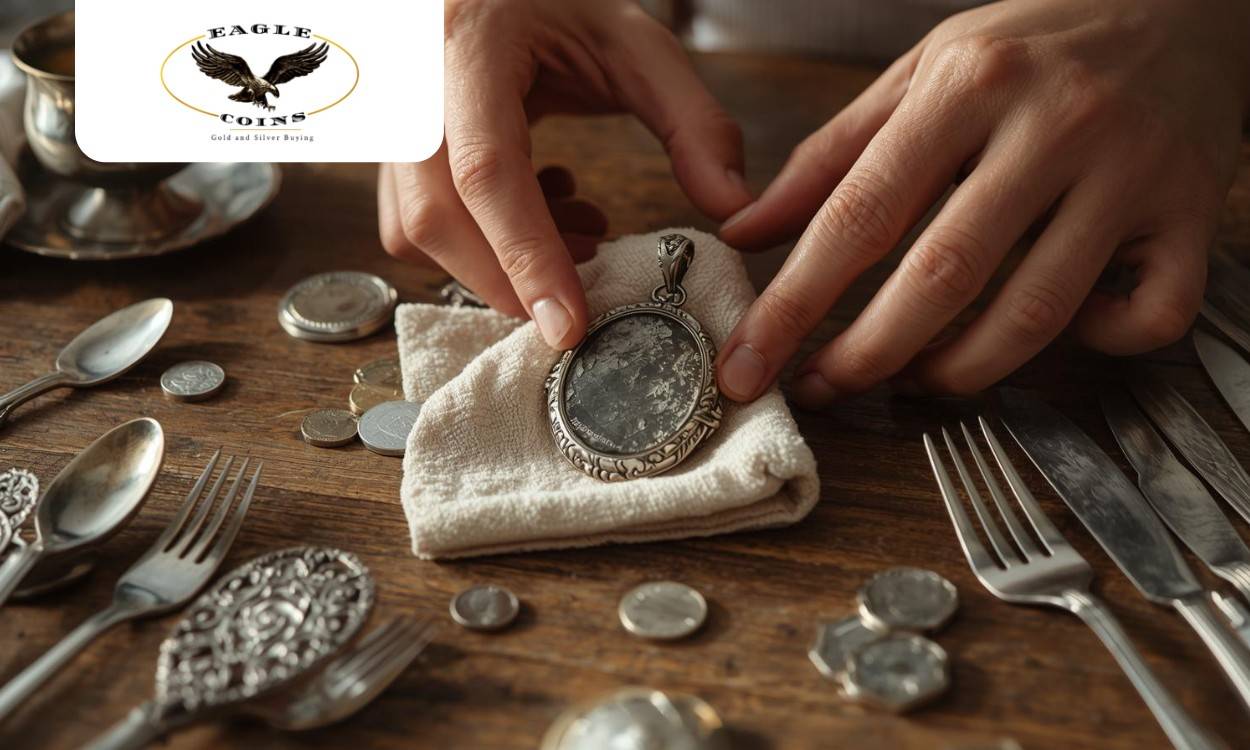
Whether jewelry, flatware, coins, or decorative objects, silver has always had an enduring appeal, all thanks to its unique properties of conductivity, luster, and workability. However, with time and constant exposure to sulfur compounds in air, skin oils, and household chemicals, most silver items tarnish. This isn’t the rust found in iron, but rather a layer of silver sulfide that forms on the surface to dull the shine of silver. This can reduce the appeal of your items, but thankfully, this layer can be cleaned. Knowing how to clean silver at home also involves matching the cleaning approach to the composition of the object, its age, and finish, so that you do not damage the product by scratching or over-polishing.
Why Silver Tarnishes?
Tarnishing of silver is a common process and happens when silver reacts with the hydrogen sulfide present in the environment. The source of it could vary from household gas, wool fabrics, rubber bands, and food items like eggs and onions to pollution and moisture in the air. Where pure silver has a lower rate of reaction, sterling silver, which contains 92.5% of silver and 7.5% of copper, tarnishes faster because the copper present in it reacts with oxygen and sulfur rapidly.
Cleaning methods used may either remove the silver sulfide mechanically or convert it back to silver using some mild electrochemical reactions.
Preliminary Considerations Before Cleaning
Before we get to understanding how to clean silver at home, and even before you apply any method, it becomes necessary that you inspect the item and note the following properties in order to find the suitable cleaning method.
- Is it sterling or plated? If the item is silver-plated, excessive polishing may remove the thin layer of silver.
- Does it have gemstones? Direct contact of porous stones like turquoise, pearl, or opal with ammonia or ultrasonic solutions may damage them.
- Is it antique? For antiques, patina can be value-adding, and removing it vigorously may reduce the value and affect its collectability.
- Is it lacquered? If the pieces are lacquered, solvents can damage the coating. These pieces should only be dusted.
So what methods should you use for each type of silver object, now that we have understood the issues involved? Let’s study them one by one.
READ MORE: How to Properly Care for Your Heirloom Sterling Silver and Maintain Their Value?
Method 1: Mild Soap and Water Cleaning
If your silver jewelry or decorative items have been lightly tarnished, then cleaning them with a simple solution of soap and water would be sufficient.
Here are the things that you will need.
Materials
- Warm water
- Mild dish soap (non-abrasive)
- Soft microfiber or cotton cloth
Procedure
- Mix warm water with a few drops of mild soap.
- Submerge or wipe the silver gently.
- Rinse with clean water.
- Dry thoroughly to prevent water spots.
This is a chemically neutral method and safe for most surfaces.
Method 2: Baking Soda and Water Paste
In case the silver object has moderate tarnish, the best answer or way of how to clean silver at home is using a baking soda paste. This will gently polish out the tarnish without the need for harsh abrasives.
You will need the following materials for this method.
Materials
- Baking soda
- Water
- Soft cloth or sponge
Procedure
- Combine baking soda and water to form a thick paste.
- Rub gently along the silver’s grain.
- Rinse thoroughly and dry.
Do not use toothbrushes for this method unless they are ultra-soft. If not, the bristles can scratch the softer alloys and plated layers of silver.
Method 3: Aluminum Foil Electrochemical Cleaning
This is a recently popularized technique used widely in households. People use commonly available items like aluminum foil, baking soda, and hot water to reverse the tarnish with a redox reaction. This method is suitable for flatware, coins, and chains that do not have stones.
Scientific Basis
The silver sulfide on the item will transfer sulfur ions to aluminum; this will convert the top layer back to metallic silver without any abrasion. You will need the following items for this method.
Materials
- Aluminum foil
- Baking soda
- Boiling water
- Non-metallic bowl
Procedure
- Line the bowl with aluminum foil, shiny side up.
- Place tarnished silver inside.
- Add boiling water to cover items.
- Sprinkle baking soda generously.
- Wait a few minutes as fizzing occurs.
- Rinse and dry.
This approach is very effective and efficient, but if you have any collectibles or antique items, then preferably avoid cleaning them. This is because the patina gives antiques their unique appearance and value.
Method 4: Commercial Silver Polish
If you have difficulty removing tarnish, the commercial polishes can be another good option. They are made with mild abrasives and chemicals that quickly remove tarnish and leave a protective film over the item. This will help in preventing any tarnish for some time.
When to Use
- For items requiring high-shine finishes
- When tarnish is heavy
- For professional presentation pieces
When applying, use a soft cloth and make sure that you are following the manufacturer’s instructions. Make sure that you avoid dipping cleaners for pieces that have stones or intricate designs and archways in settings.
Method 5: Toothpaste (With Caution)
This is one of the most commonly used methods, and, in fact, the first one that might pop up when you search for ways how to clean silver at home. Although it is a well-known cleaner, make sure that you use it selectively. Toothpaste contains mild abrasives like hydrated silica, which can damage and dull delicate work with repeated use.
Here are some guidelines to consider for better results when cleaning with toothpaste:
Guidelines
- Only use non-gel, non-whitening, non-abrasive toothpaste.
- Test on a small area first.
- Avoid plated items and antiques.
Preventing Tarnish After Cleaning
Knowing how to clean silver at home can be very beneficial and help you maintain your silver items with everyday use. However, it’s better to ensure ways and methods for preventing the tarnish altogether, as it will not only save your items from abrasives but also reduce your workload.
Here are some storage tips you can use for preventing or slowing down the tarnish process.
Storage Tips
- Store silver in airtight bags or anti-tarnish cloths.
- Use silica gel or activated charcoal to absorb humidity.
- Keep silver separate from rubber, wool, and newspaper to avoid sulfur exposure.
Wear and Use
- Jewelry benefits from regular wear because skin oils reduce sulfur contact.
- Flatware should be washed and dried promptly after use.
Protective Coatings
Many jewelers will apply a microscopic layer of polymer film or clear lacquer that protects the silver from direct contact and slows down the oxidation process. This can be a suitable option for most silvers, apart from valuable antique pieces.
When Professional Cleaning is Better?
Now that we know when and how to clean silver at home, we also know that in certain cases, cleaning on your own can be effort-taking and often requires professional expertise. So, when exactly does cleaning need the efforts of trained specialists instead of home solutions?
- Heirlooms and museum-quality antiques
- Silver with porous or heat-sensitive gemstones
- Severe corrosion or structural damage
- Silver-plated items with visible base metal exposure
Professionals have a deeper understanding of metals and their cleaning requirements. They make use of controlled abrasives, ultrasonic tanks, steam cleaners, and inspection tools to offer the best cleaning and restoration while also ensuring that the integrity of these objects is preserved.
Conclusion
Having a good understanding of how to clean silver at home does not only involve using simple tools available at home, but you should be able to have the knowledge of what you might be dealing with and then use the best method available. For routine maintenance, mild soaps work best, whereas baking soda paste or electrochemical baths are suitable for stubborn tarnishes. Whatever kind of tarnish you might be dealing with, the best solution involves using proper storage and preventive measures that can slow down its discoloration and ensure the silver is visually appealing for years to come.
FAQs
How to clean silver at home without damaging it?
The best way would be to use a mild dish soap with water for light tarnishes. If it is more stubborn, then you can use the aluminum foil and baking soda method. While it reverses the reaction, it also avoids the use of any abrasives.
How to clean silver at home using baking soda?
You can make a paste of water and baking soda and apply this to your silver item, leave it for a few minutes, and then rinse it off. Make sure that you dry it in the end. If dealing with a deeper tarnish, you can boil silver items without any stones in water with aluminum foil and baking soda.
Can vinegar clean silver?
Absolutely. However, it isn’t a suitable method for silver items with stones or delicate items with plating, as vinegar is acidic and it may damage the stones or the thin plating.
How often should silver be cleaned?
There is no ideal time; the frequency differs according to exposure and tarnish. For items that are constantly on display, they need to be more frequent, as they will tarnish more quickly. In general, you will benefit from cleaning every few months; it will prevent the development of heavy buildup.
Is toothpaste safe for cleaning silver?
Only some non-abrasive toothpaste formulas are safe. Avoid whitening or gel varieties because they contain abrasives that may scratch silver surfaces.

 +1 508-252-8888