
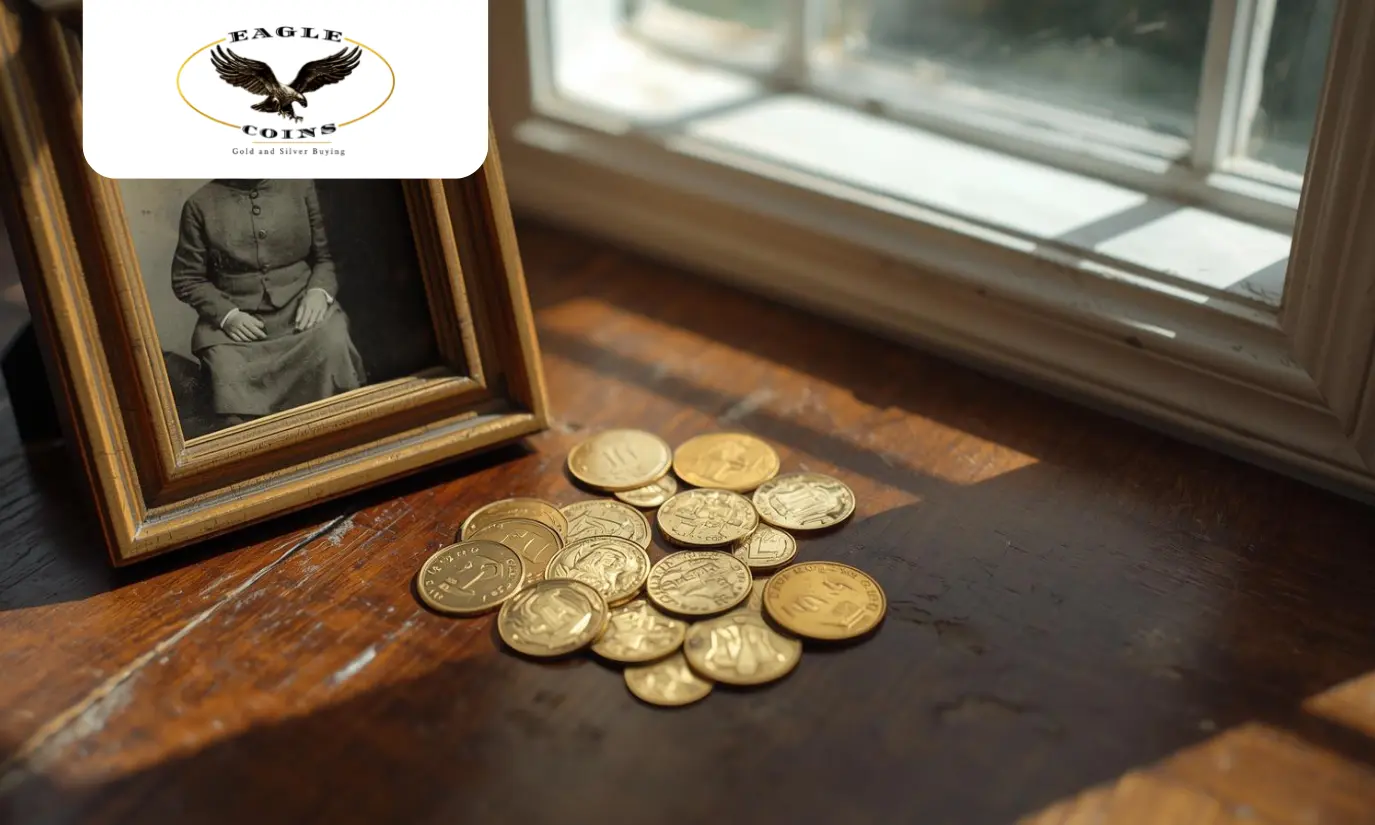
It is a very emotional experience to inherit your parents’ gold coins. They tend to have both monetary and emotional importance, connected to family history and memory. Having been put in such a predicament, a question most people grapple with is what to do with inherited gold coins. There is no clear-cut answer to this question, as it is a matter of emotional attachment, financial necessity, and long-term planning.
Being aware of your choices and the consequences of choosing one over the other may lead you to an informed decision.
The Heart of Inherited Gold Coins
The predecessor gold coins can be much more than money. They can be used to represent milestones, traditions, or individual accomplishments of your deceased parent. To certain people, holding on to such coins is a method of keeping family heritage and having a physical association with family members.
When there is a great deal of sentimental attachment attached to the coins, a sale will be immediately regretted. The first step in thinking over what to do with inherited gold coins is usually to take the time to think.
Knowing the Financial Value
Emotional value is vital, but it is also necessary to comprehend the financial component. Depending on their weight, purity, rarity, and condition, gold coins may be of great value. Certain coins can even be numismatic, i.e., they are of value to a collector beyond their gold value.
Professional appraisal should be considered before making a decision on what should be done with any gold coins that have been inherited. This will assist you in deciding how to best sell, retain, or even auction the coins to the collectors.
Reasons You Should Sell
When wondering what to do with inherited gold coins, selling them may appear as the right choice because there are several practical reasons.
Immediate Financial Needs
When you need money to pay off debts, cover medical bills, or handle some other significant life transition, the sale of gold coins can offer immediate cash. Gold is a universally accepted asset, meaning that it is fairly easy to turn into cash.
Good Market Conditions
The prices of gold vary depending on the economic conditions of the world. When the prices are high, selling would be a good payoff. You can also determine what to do with inherited gold coins by monitoring the market to determine the right time.
Lack of Personal Attachment
Not all people have a strong emotional attachment to inherited objects. Provided that the coins do not have a lot of sentimental meaning to you, it may be a good idea to sell them.
Reasons to Keep the Coins
Conversely, keeping inherited gold coins can be beneficial in a number of ways as well.
Long-Term Investment
Gold is reputed to hold value with time. Holding the coins may be used to hedge against inflation and economic risk. A large number of individuals prefer to own gold as an investment option.
Family Heirloom
It is possible that inherited coins may be turned into treasured heirlooms to be donated to the next generation. By retaining them in the family, their sentimental and historical value is retained.
Potential Appreciation
Some coins, particularly those that are rare or certain collectible coins, can appreciate over time. When your inherited coins are numismatic, it may make better sense to hold onto them and get higher returns in the future.
Hybrid Solution: Sell a Little, Keep a Little
You need not take one extreme if you are not sure what to do with inherited gold coins. Middle ground can be oftentimes the best solution.
You Might Consider:
- Holding back some of the coins as a memento.
- To sell part of it to cover financial requirements.
- Selling standard bullion and retaining the rare or collectible pieces.
This is the best way to pay tribute to your parent and also make sound financial choices.
Critical Things to Keep in Mind
Consider the following before making up your final decision of what to do with inherited gold coins:
Market Timing
The prices of gold can vary tremendously. Selling at a high would be a great way to earn, and selling in a slump might not be the best way to do so.
Storage and Security
In case you decide to retain the coins, they should be stored in a safe place. They can be home safes or bank deposit boxes.
Tax Implications
In other instances, the sale of inherited gold coins can be taxed. A financial advisor may help you to realize any obligations.
Trusted Buyers
Should you sell, it is important to select a buyer that is reputable. Ask around and compare prices to make sure you get a reasonable price.
Making the Right Decision
At the end of the day, the question of what to do with inherited silver and gold coins doesn’t have a one-fits-all answer. The best decision will be determined by your individual situation, financial aspirations, and the emotional attachment you have to the coins.
Move at your own pace, get all the information required, and do not make hasty decisions. Regardless of whether you sell, retain, or merge both strategies, the most important thing is ensuring that you make a decision that is within your values and long-term strategies.
Final Thoughts
The gold coins that you have inherited have both an emotional and a financial value. When deciding what to do with them, you might feel emotional or overwhelmed, but it doesn’t necessarily have to be this way. You can find the right path by evaluating your options and understanding the sentimental and monetary aspects of your inheritance.
While considering what to do with inherited gold coins, make sure that you know that the best choice is only the one that strikes a balance between practicality and personal meaning. Thoughtful planning will help you in honoring your parents’ memory and also making a decision that is financially sound.
FAQs
What should I do first after inheriting gold coins?
Get the coins professionally appraised by an experienced assessor. This will help you understand their actual value before you go on to decide what to do with inherited gold coins.
Is it better to sell inherited gold coins immediately?
This isn’t necessary. Whether it is best to sell or not depends on the market conditions, your financial needs, and your emotional attachment to the coins.
Are inherited gold coins taxable when sold?
Yes, in some cases they do. When you sell gold coins, you are subject to capital gains tax in some cases, so it is better to consult an expert before selling.
How do I know if my coins are rare or valuable?
It can be assessed by a professional numismatist or a coin dealer whether or not your coins have a collectible value beyond their gold content.
Can I keep some coins and sell the rest?
Absolutely. A lot of people choose this balanced approach when they have to decide what to do with their inherited gold coins. This allows you to keep some meaningful pieces with yourself and also reap financial rewards by selling others.