

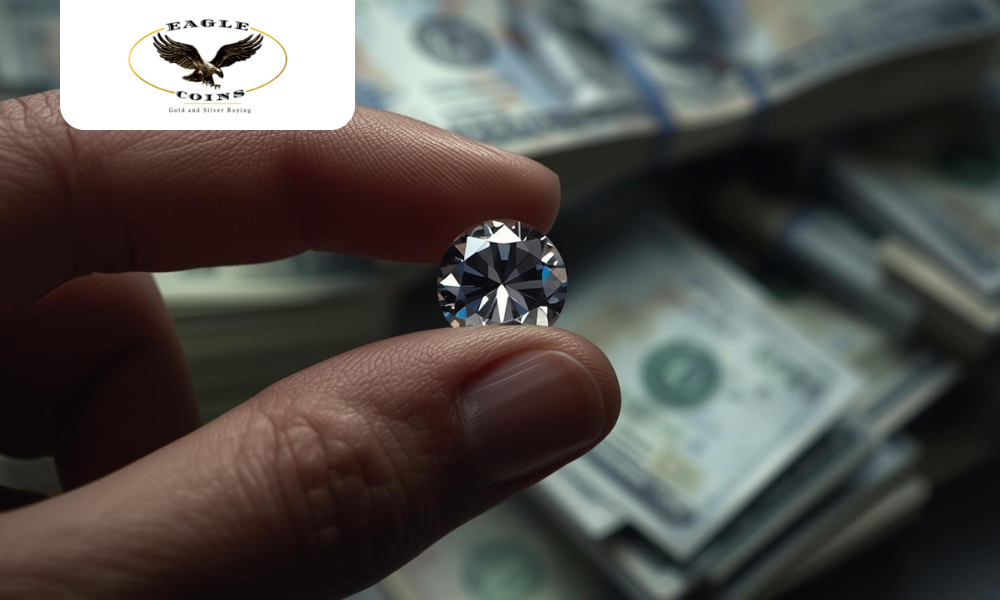
You probably missed it because it wasn’t front-page news, but the diamond world just had its biggest shake-up since someone first said “diamonds are forever.”
De Beers, the company behind that famous slogan, slashed their rough diamond prices by 15% in August. Not because of some economic crisis or mining disaster. Because they finally admitted what everyone’s been whispering: lab-grown diamonds are eating their lunch.
The same week this happened, Emma Stone showed up at the Venice Film Festival wearing a gorgeous lab-grown diamond necklace. She posted about it on Instagram, telling her 47 million followers she “honestly can’t tell the difference” Between it and mined diamonds. The post got 2.4 million likes.
Then Pandora announced they’re stopping all mined diamond sales by 2026. That’s the world’s biggest jewelry retailer saying mined diamonds are done.
Three massive industry shifts in one week. If you own diamond jewelry, this affects you whether you realize it or not.
So here’s the big question: is now the time to get cash for diamonds, or should you wait this out?
The Psychology Behind What’s Happening
This isn’t really about diamonds. It’s about what diamonds mean to people, and that’s changing fast.
Your grandmother’s generation saw diamonds as symbols of eternal love and social status. They saved for months to buy them, treasured them, passed them down. The bigger and more expensive, the better.
But walk into any coffee shop and listen to twentysomethings talk about engagement rings. They’re asking questions their grandparents never considered: “Where did this diamond come from? Who got hurt mining it? Why am I spending three months’ salary on a rock when I could put that toward a house?”
Younger consumers actually prefer lab-grown diamonds now, and not just because they’re cheaper. They think they’re more authentic because they align with their values.
This creates a weird situation for cash for diamonds sellers. If you’re trying to sell to someone over 50, they might still pay premium prices for natural stones. But if you’re dealing with younger buyers, they might not see the value at all.
Emma Stone’s Instagram post matters because she’s normalizing something that would have been scandalous ten years ago: admitting you can’t tell lab-grown from natural diamonds. When celebrities say this stuff publicly, it changes how everyone thinks about diamond value.
The Numbers Tell the Story
Here’s what’s actually happening to diamond prices, not the marketing spin you get from jewelry stores.
Lab-grown diamond prices have dropped 70-80% since 2020. A lab-grown stone that cost $2,000 in 2020 sells for $400-600 today. They’re becoming commodity items, like flat-screen TVs or smartphones.
Natural diamond prices are holding better, but they’re not immune. The pressure is real, especially for smaller, lower-quality stones that compete directly with lab-grown alternatives.
Russia complicates everything because they produce about 30% of the world’s diamonds. Sanctions mean less supply, which should support prices. But if demand keeps shifting to lab-grown stones, supply shortages don’t matter as much.
The result? Natural diamonds are splitting into two markets: premium stones for traditional luxury buyers, and everything else competing with lab-grown alternatives on price.
Why Location Matters More Than You Think?
Where you try to get cash for diamonds makes a huge difference, and not just because of local competition.
Big coastal cities still have buyers who understand and value natural diamonds. Boston, New York, San Francisco – these places have established wealthy populations who grew up with traditional luxury values. They’ll pay premiums for quality natural stones because they still see them as status symbols and investments.
Smaller markets often show more price sensitivity. Lab-grown adoption happened faster there because people were more focused on getting a beautiful stone for less money than maintaining traditional prestige.
Cape Cod sits in an interesting spot. Our summer population includes plenty of old money families who still prefer natural diamonds. But we also see younger couples choosing lab-grown stones for practical reasons. Understanding which market you’re selling into makes all the difference.
Boston’s jewelry district offers another advantage for high-value pieces. Dealers there have access to traditional luxury consumers and collectors who pay premium prices for quality natural diamonds. For stones worth $5,000 or more, the drive to Boston often pays for itself.
The Technology Factor
Something else has changed: how diamonds get evaluated and sold.
Professional testing equipment can now tell natural from lab-grown diamonds instantly and accurately. No more guesswork, no more conservative estimates from buyers trying to protect themselves. When a buyer knows exactly what they’re looking at, they can offer more aggressive prices.
Blockchain tracking is starting to matter too. Some diamond companies now track stones from mine to retail using permanent digital records. Diamonds with verified ethical sourcing command premiums because buyers can prove they’re conflict-free.
This technology helps legitimate sellers and hurts people trying to pass off synthetic stones as natural. But for honest sellers with quality pieces, it creates opportunities for better pricing.
What This Means for Your Jewelry?
If you’re thinking about getting cash for diamonds right now, the most important question is: what kind of diamonds do you own?
High-quality natural diamonds (1 carat or larger, good cut and clarity, proper certification) are holding value well. There’s still a market of traditional luxury buyers and collectors who want these pieces. GIA certification remains the gold standard, often adding 10-15% to what buyers will pay.
Smaller natural diamonds, especially under half a carat, face more pressure from lab-grown competition. They’re not rare enough to command big premiums, but they’re expensive enough that people consider alternatives.
Lab-grown diamonds should be treated like fashion jewelry, not investments. They depreciate fast and will probably keep dropping in value as production increases and technology improves.
Estate jewelry with historical significance or famous provenance still attracts premium pricing. But generic diamond pieces from chain jewelry stores face the most pressure in today’s market.
Timing Considerations
So is now the right time to sell? Depends on what you own and why you’re selling.
For premium natural diamonds, the market disruption might actually create opportunities. Some sellers are panicking and accepting lower prices, but buyers who understand the traditional luxury market are still paying appropriately for quality pieces.
For fashion jewelry and lower-grade stones, waiting probably doesn’t help. The trend toward lab-grown alternatives seems permanent, not cyclical. If you need the money or don’t have emotional attachment to the pieces, cash for diamonds transactions make sense sooner rather than later.
Cape Cod’s seasonal patterns still matter. Summer wedding season creates demand for diamond jewelry, supporting better pricing from May through September. Fall estate sales temporarily increase supply, often depressing prices until after the holidays.
The Practical Reality
Here’s what we actually see in our shop when people come in with diamond jewelry.
Customers arrive with expectations based on what they paid years ago, not current market conditions. A ring purchased for $3,000 in 2015 might get offers around $800-1,200 today, depending on the stones and setting. That’s not because buyers are trying to rip anyone off – it’s because retail markups were always huge and resale markets are more competitive now.
Certification matters enormously. GIA papers can double what buyers offer because they eliminate uncertainty about quality and authenticity. Uncertified stones get discounted heavily because buyers have to assume the worst about clarity, color, and potential treatments.
Settings add some value, but not as much as people expect. Gold and platinum have their own market values, but elaborate settings often get discounted because they reflect personal taste rather than universal appeal.
The best results come from sellers who understand current market conditions and have realistic expectations about pricing. People who do their homework and get multiple opinions usually capture more value than those who walk into the first jewelry store they find.
Making Your Decision
The diamond market transformation isn’t temporary. Lab-grown technology keeps improving while costs keep falling. Consumer attitudes about ethical sourcing and value are shifting permanently, especially among younger buyers.
This doesn’t mean natural diamonds are worthless. Quality stones with proper certification still appeal to traditional luxury consumers, collectors, and people who value rarity and natural origin.
But it does mean the diamond market is becoming more sophisticated and segmented. Success in getting good cash for diamonds pricing requires understanding which segment your jewelry fits into and finding appropriate buyers.
If you own premium natural diamonds and don’t need immediate cash, you might benefit from waiting for market conditions to stabilize. But if you’re holding lower-grade stones or lab-grown pieces, current market trends suggest sooner is probably better than later.
Ready to Navigate This New Reality?
The diamond world just changed permanently. At Eagle Coins Gold and Silver Buying, we understand both traditional diamond values and how current market shifts affect what your jewelry is actually worth today.
About Eagle Coins Gold and Silver Buying
Eagle Coins Gold and Silver Buying has served Cape Cod for over 40 years, helping customers navigate every major change in precious metals and jewelry markets. We understand that today’s diamond market requires both traditional expertise and current market knowledge.
Legal Disclaimer
Information provided is for educational purposes only and should not be considered financial advice. Eagle Coins operates under all applicable Massachusetts laws governing precious metals dealers.
