

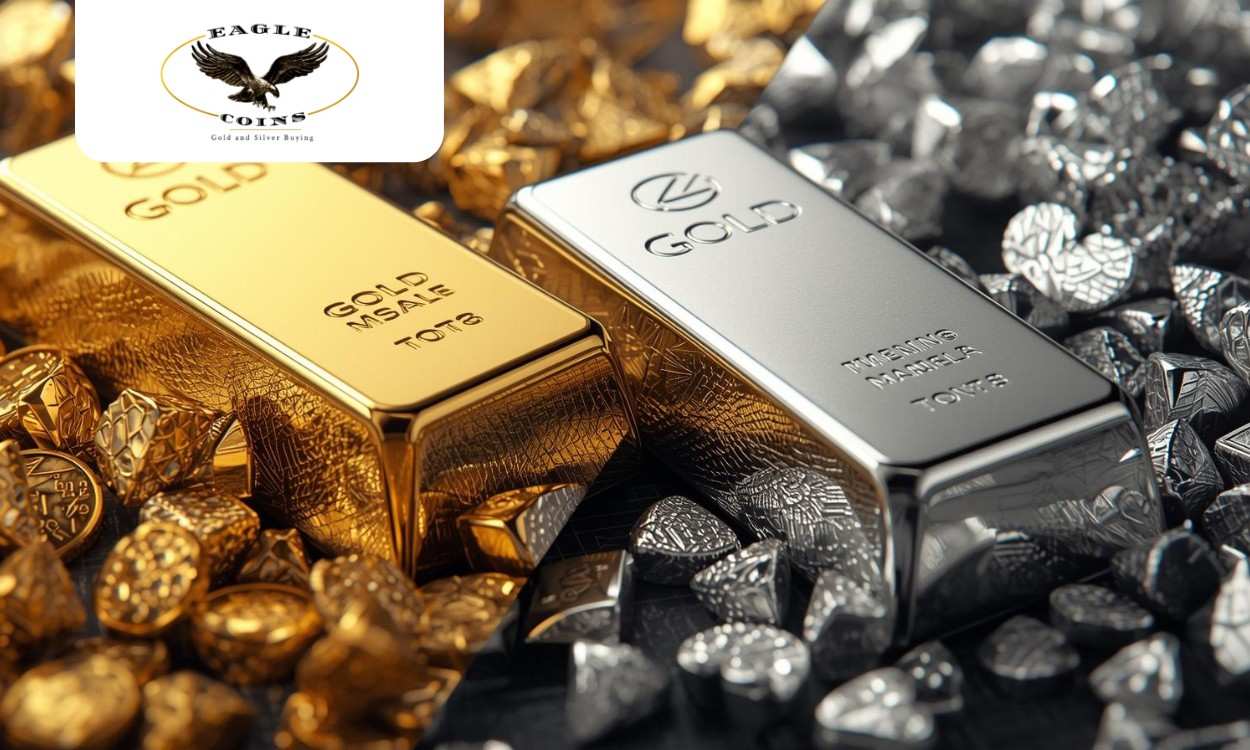
Gold and silver have long been trusted as stores of value and tools for preserving wealth in terms of precious metals. The question that keeps being posed by investors is which metal offers better potential, stability, and flexibility. It is essential to understand the major differences between gold and silver before making decisions about investing, especially in today’s dynamic economic landscape.
Both metals are significant in diversified portfolios, but they act differently in terms of price movement, accessibility, and the value of metals in the long-term. In this guide, you’ll find the differences between investment in gold and silver to help you make informed choices.
The Historical Role of Gold and Silver
Gold and silver have been used as currency, trade assets, and wealth reserves for thousands of years. Gold has long been associated with stability, wealth preservation, and central banking systems. Silver, while also being used as money in the past, has evolved into a dual-purpose metal that serves both investment and industrial needs.
Because of this history, both of the metals still remain attractive to investors seeking tangible assets that can help in protecting against inflation, currency fluctuations, and economic uncertainty.
Price Differences and Accessibility
Price is one of the most visible differences between gold and silver. Gold is significantly more expensive per ounce than silver, which makes silver more accessible for first-time investors or those with a low budget.
The lower entry point of silver allows investors to accumulate large quantities over time, while gold is more expensive, which makes it easier to store a significant amount in small sizes. This difference is significant when considering investing in gold and silver based on the financial goals of individuals.
Market Stability vs. Volatility
Gold is known for being relatively stable in price. It often succeeds in times when the economy is not doing well, financial markets are facing crises, and inflation is high. Many investors consider gold to be a safe-haven investment that does not depreciate when other investments struggle.
Silver is, however, more volatile. Its price may fluctuate more radically due to its high dependence on industrial demand. Although this volatility can create growth opportunities, it also carries a higher risk. These investors who are more conservative in their performance tend to invest in gold, whereas those who are comfortable with market volatility may find silver attractive.
Industrial Demand and Practical Use
One of the key distinctions between gold and silver is their application outside the area of investment. The industrial use of gold is limited compared to silver. While gold is used in the fields of electronics, dentistry, and technology, most of its demand comes from investment and jewelry.
Silver is an important ingredient in various industries, including electronics, solar panels, medical equipment, and manufacturing. This dependence on industries means that the price of silver may increase when industrial demand increases, and also decreases during economic slowdowns. This dual demand makes silver an exclusive alternative when investing in gold or silver for growth potential.
Storage and Portability
Because gold is more valuable per ounce, it is easier to store and transport in smaller quantities. This makes gold an effective way to preserve wealth over a long period of time and to perform estate planning.
Silver requires more physical space because it has low value per unit. While storage can be handled, investors should consider storage solutions, insurance, and security when they’re holding larger quantities of silver.
Liquidity and Resale Value
Both gold and silver are highly liquid assets, which means they can be easily purchased and sold. Under most market conditions, the resale of gold is easy because of the constant demand for the commodity across various regions of the world.
Silver is also liquid, though its resale value may fluctuate more depending on the market and industrial trends. Working with a trusted local buyer, such as Eagle Coins Gold and Silver Buying, would be beneficial for investors, as it can help them negotiate prices and understand current market conditions when selling either metal.
Long-Term Investment Goals
The choice between gold and silver often depends on individual investment goals. Gold is commonly used for long-term wealth protection and portfolio stability. Conservative investors often prefer to keep it, because they would rather protect than grow.
Silver may be attractive to investors who are looking for potential price appreciation and diversification. It can offer expansion opportunities in times of economic growth through its industrial applications and lower cost. A balanced approach is adopted by many investors who combine both metals to enhance their overall strategy for investing in gold and silver.
Buying and Selling Physical Precious Metals
Physical ownership, such as coins, bullion, and bars, is considered one of the most widespread ways to invest in gold and silver. Physical metals provide direct ownership and eliminate the dependency on paper-based assets.
When buying or selling physical precious metals, it’s important to work with knowledgeable professionals who understand market pricing and the purity of different metals. Businesses like Eagle Coins Gold and Silver Buying offer valuable insight into fair pricing and how people can easily navigate precious metal transactions.
Which Metal Is Right for You?
When choosing between gold and silver, there is no one-size-fits-all answer. Gold offers stability, convenient storage, and high demand in the world market. Silver is more affordable, has an industrial potential for growth, and is more accessible.
Understanding the major differences allows investors to align their decisions according to their financial objectives, risk tolerance, and time horizon. Investing in gold and silver can play an important role in a diversified financial strategy, whether it’s related to building a hedge against inflation or diversifying assets.
FAQs
Is gold or silver a better investment?
Gold is generally more stable and is often used for long-term wealth preservation. Silver tends to be more volatile but can offer higher growth potential due to industrial demand.
Why do investors choose to invest in both gold and silver?
Investing in gold and silver helps diversify risk. Gold provides stability during economic uncertainty, while silver offers affordability and potential gains during periods of industrial growth.
Does silver have more price fluctuations than gold?
Yes, silver prices usually fluctuate more than gold because silver is heavily influenced by industrial demand as well as investment trends, making it more volatile.
Is gold easier to store than silver?
Gold is easier to store because it holds higher value in smaller quantities. Silver requires more physical space due to its lower price per ounce.
When is the right time to buy or sell gold and silver?
The right time depends on market conditions and personal goals. Many investors buy during price dips and sell during strong market demand, often with guidance from experienced buyers.

 +1 508-252-8888