
Luxury watches carry weight. Not just in gold, but in reputation. Rolex is one of the most recognized names in the world, which unfortunately makes it one of the most copied as well. If you own one or are thinking about buying or selling one, you have probably searched how to tell if a Rolex is fake at least once.
The truth is, some counterfeits are obvious. Others are not. Some are very good. This guide walks you through practical ways to spot red flags before relying on professional testing.
Start With the Weight
A genuine Rolex feels solid. That is usually the first giveaway.
Authentic Rolex watches are made from high grade materials such as 904L stainless steel, solid gold, or platinum. They are not light. They feel dense in the hand.
If you pick up a so called Rolex and it feels surprisingly light, almost hollow, that is your first warning sign.
It is similar to holding a real gold ring versus gold plated jewelry. The difference is subtle but noticeable when you have felt enough of them.
Weight alone does not confirm authenticity, but it raises questions.
Check the Movement
Rolex watches use automatic mechanical movements. That means the second hand does not tick like a basic quartz watch. It sweeps smoothly.
Notice this carefully.
The movement is not perfectly silent and fluid like some online myths say. There is still a slight mechanical motion. But it does not jump once per second like a battery powered watch.
If you hear loud ticking or see a sharp jump of the second hand, it is likely not genuine.
That said, some very high end counterfeits imitate the sweep fairly well. So this is one piece of the puzzle, not the whole answer.
Examine the Cyclops Lens
Many Rolex models include a small magnifying lens over the date window. This lens is called the Cyclops.
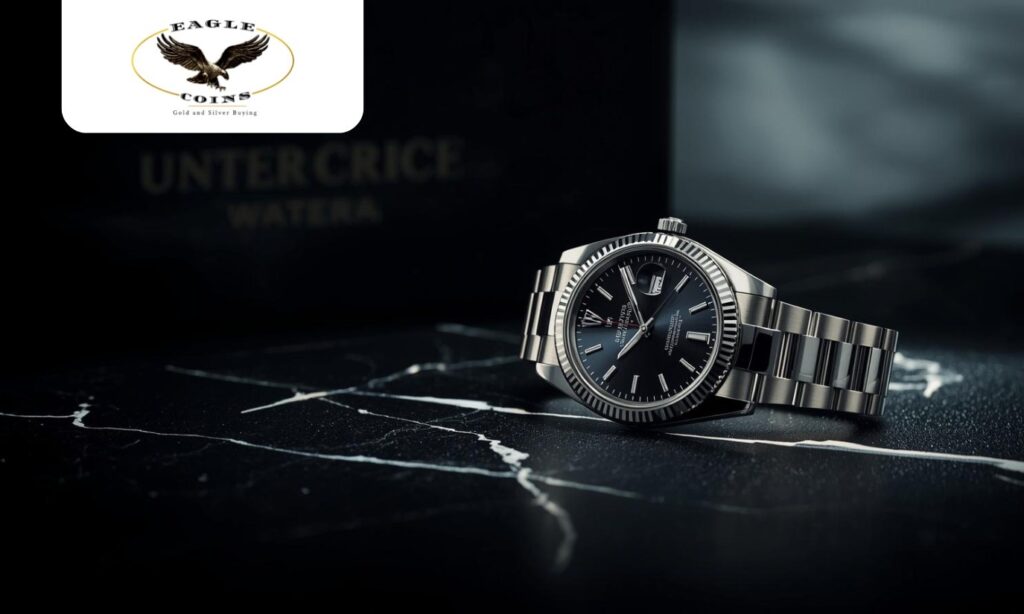
On a genuine Rolex, this magnifies the date significantly. Roughly 2.5 times magnification. The date should appear large and very clear.
On fakes, the magnification is often weaker. Sometimes the date looks only slightly enlarged or misaligned.
Tiny detail, but important.
When people ask how to tell if a Rolex is fake, this is one of the quickest visual checks.
Look at the Engravings Closely
Rolex engravings are precise. Crisp. Almost perfect.
Examine:
- The logo on the dial
- The spacing of letters
- The alignment of text
- The serial and model numbers
On authentic models, lettering is sharply defined. No smudging. No uneven spacing.
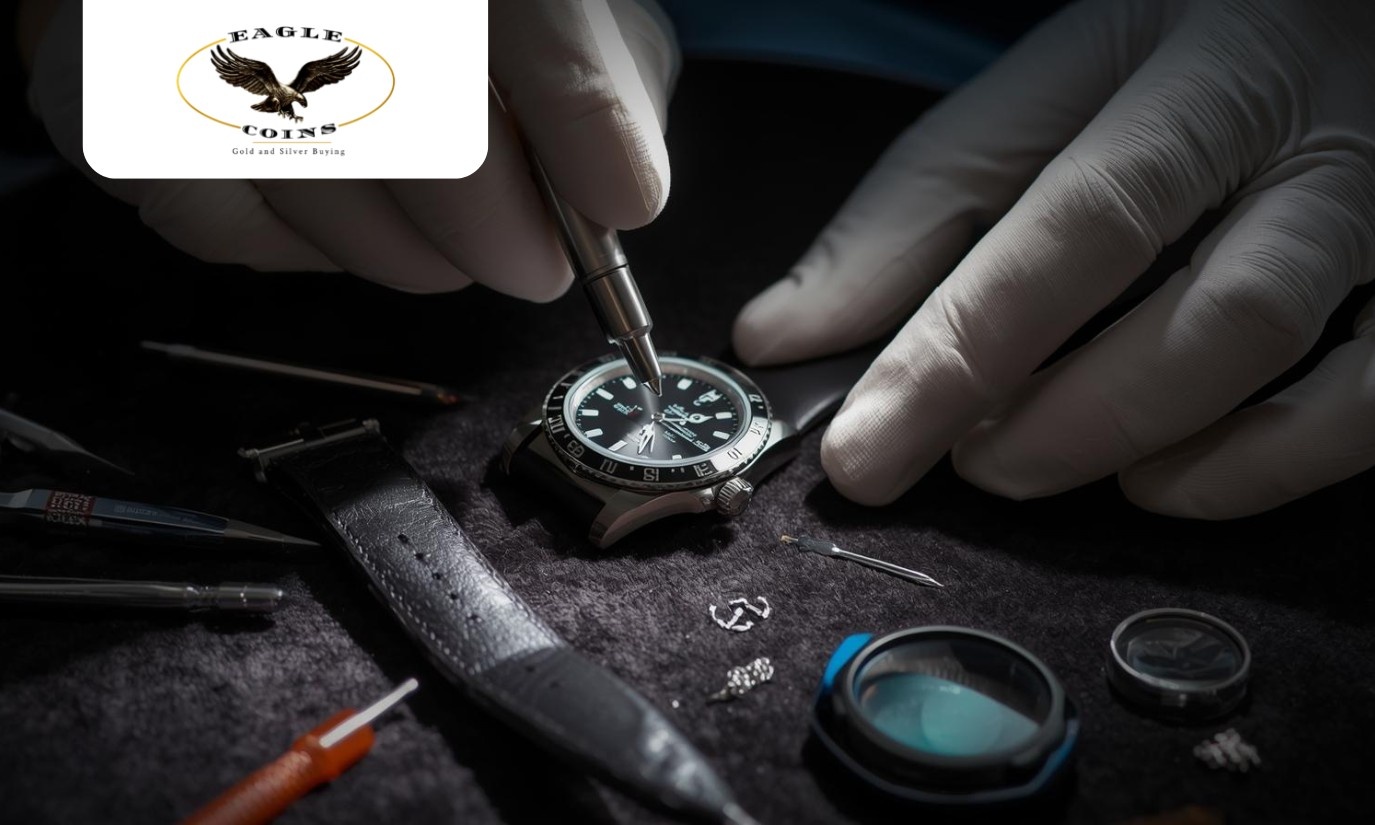
Fakes sometimes use slightly thicker fonts or inconsistent spacing. It is subtle, but under magnification it becomes obvious.
Also check the laser etched crown inside the crystal at the 6 o clock position on newer models. It is extremely small and very clean on genuine watches. Cheap copies often miss it entirely or make it too visible.
Inspect the Case Back
Most authentic Rolex watches have a plain case back. Smooth metal. No engravings or transparent windows.
If you see a clear case back exposing the movement, that is usually a red flag. Rolex traditionally does not produce watches with exhibition backs for standard models.
Of course, always research specific models. There are rare exceptions in special pieces.
Still, a flashy see through back often signals a replica trying too hard.
Test the Crown and Winding
When you unscrew and wind a genuine Rolex, it feels smooth. There is resistance, but controlled resistance.
Cheap replicas often feel gritty or loose when winding.
Think about turning a well made safe dial compared to a toy lock. The difference is in the feedback.
Small mechanical details matter.
Serial and Model Numbers
Rolex engraves serial and model numbers between the lugs on many models and on the rehaut of newer models.
These engravings are deep and precise.
If the numbers look faint, shallow, or uneven, be cautious.
You can cross reference model numbers with official Rolex production details to see if the watch configuration matches the engraving.
Again, this requires careful checking.
Price That Feels Too Good
This sounds obvious, but it gets overlooked.
If someone offers a Rolex at a fraction of its market value, assume something is wrong.
Rolex watches retain strong resale demand. Sellers rarely discount them dramatically without a reason.
When evaluating resale value at Eagle Coins Gold and Silver Buying authentication includes reviewing weight, serials, materials, and movement characteristics before any offer is discussed.
Proper verification protects both buyer and seller.
Packaging Alone Means Nothing
Boxes and paperwork help, but they can also be faked.
A convincing green box with a booklet does not prove authenticity. Always focus on the watch itself.
Documentation supports authentication. It does not replace it.
Professional Authentication Is the Final Step
Even if everything appears correct, only proper inspection tools and expertise provide confirmation.
High quality replicas have improved over the years. Online guides can help you spot obvious flaws, but professional evaluation eliminates doubt.
If you are buying, selling, or simply verifying ownership, do not rely on guesswork.
Conclusion
Knowing how to tell if a Rolex is fake involves examining weight, movement, magnification, engravings, case back design, and pricing logic. No single sign guarantees authenticity, but combined observations build a clearer picture.
Small details matter. Smooth movement. Precise lettering. Correct magnification. Solid weight.
If uncertainty remains, professional authentication provides clarity. Luxury watches represent serious value, and proper verification ensures confidence before making any financial decision.

 +1 508-252-8888